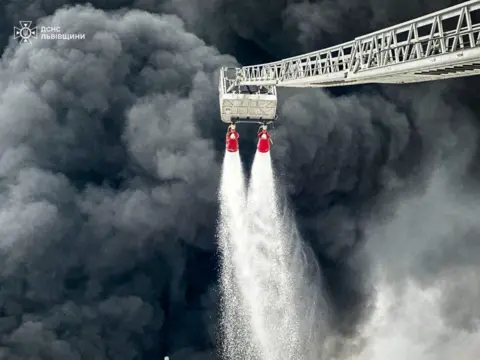
A bitter dispute pitting Hungary and Slovakia against Ukraine is holding up a crucial €90bn (£77.95bn) EU loan to Ukraine. No oil has flowed through the Druzhba (Friendship) pipeline, from Russia to Hungary and Slovakia across Ukraine, since the major oil hub at Brody, in western Ukraine, was damaged in a Russian attack on 27 January. While Ukraine argues that it will need six more weeks to repair the damage and restore the oil flow, Budapest accuses Kyiv of stalling as revenge for Hungary's pro-Russian and anti-Ukrainian position.
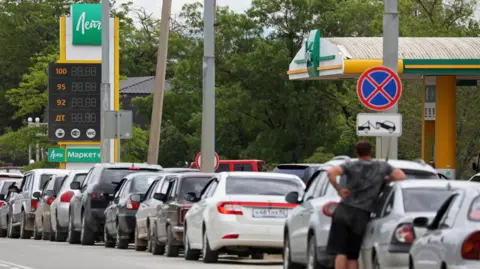
The dispute underlines the ability of one or two countries to block EU decision-making, also showing Hungary and Slovakia facing fuel problems due to their refusal to wean off Russian oil since 2022. The Brody pumping station in Ukraine's western Lviv region is crucially important for the transit of Russian oil to Hungary and Slovakia. Satellite images suggest that the Russian strike on 27 January damaged a key part - a huge tank necessary to keep the pipeline pressurised.
Ukrainian energy expert Henadiy Ryabtsev indicates that the severity of the damage might extend beyond the oil tank. Ukrainian officials state that their repair capabilities are stretched due to ongoing military conflict. European Commission President Ursula von der Leyen has offered technical support to assist with repairs, while President Volodymyr Zelensky has shown reluctance to restore the pipeline, stating he would not restore it due to its association with Russian oil.
The political dimension of this conflict cannot be overlooked; Hungarian Prime Minister Viktor Orban, who has strong ties to Moscow, uses the situation to energize his party’s campaign against Ukraine ahead of upcoming elections. As Hungary seeks alternative oil sources from non-Russian suppliers, the lack of processing capabilities for these resources complicates the matter further. Meanwhile, experts on both sides continue to assess the extent of damage from the attack, revealing that the situation remains perilous not only for the involved nations but for European energy security as a whole.
The dispute underlines the ability of one or two countries to block EU decision-making, also showing Hungary and Slovakia facing fuel problems due to their refusal to wean off Russian oil since 2022. The Brody pumping station in Ukraine's western Lviv region is crucially important for the transit of Russian oil to Hungary and Slovakia. Satellite images suggest that the Russian strike on 27 January damaged a key part - a huge tank necessary to keep the pipeline pressurised.
Ukrainian energy expert Henadiy Ryabtsev indicates that the severity of the damage might extend beyond the oil tank. Ukrainian officials state that their repair capabilities are stretched due to ongoing military conflict. European Commission President Ursula von der Leyen has offered technical support to assist with repairs, while President Volodymyr Zelensky has shown reluctance to restore the pipeline, stating he would not restore it due to its association with Russian oil.
The political dimension of this conflict cannot be overlooked; Hungarian Prime Minister Viktor Orban, who has strong ties to Moscow, uses the situation to energize his party’s campaign against Ukraine ahead of upcoming elections. As Hungary seeks alternative oil sources from non-Russian suppliers, the lack of processing capabilities for these resources complicates the matter further. Meanwhile, experts on both sides continue to assess the extent of damage from the attack, revealing that the situation remains perilous not only for the involved nations but for European energy security as a whole.