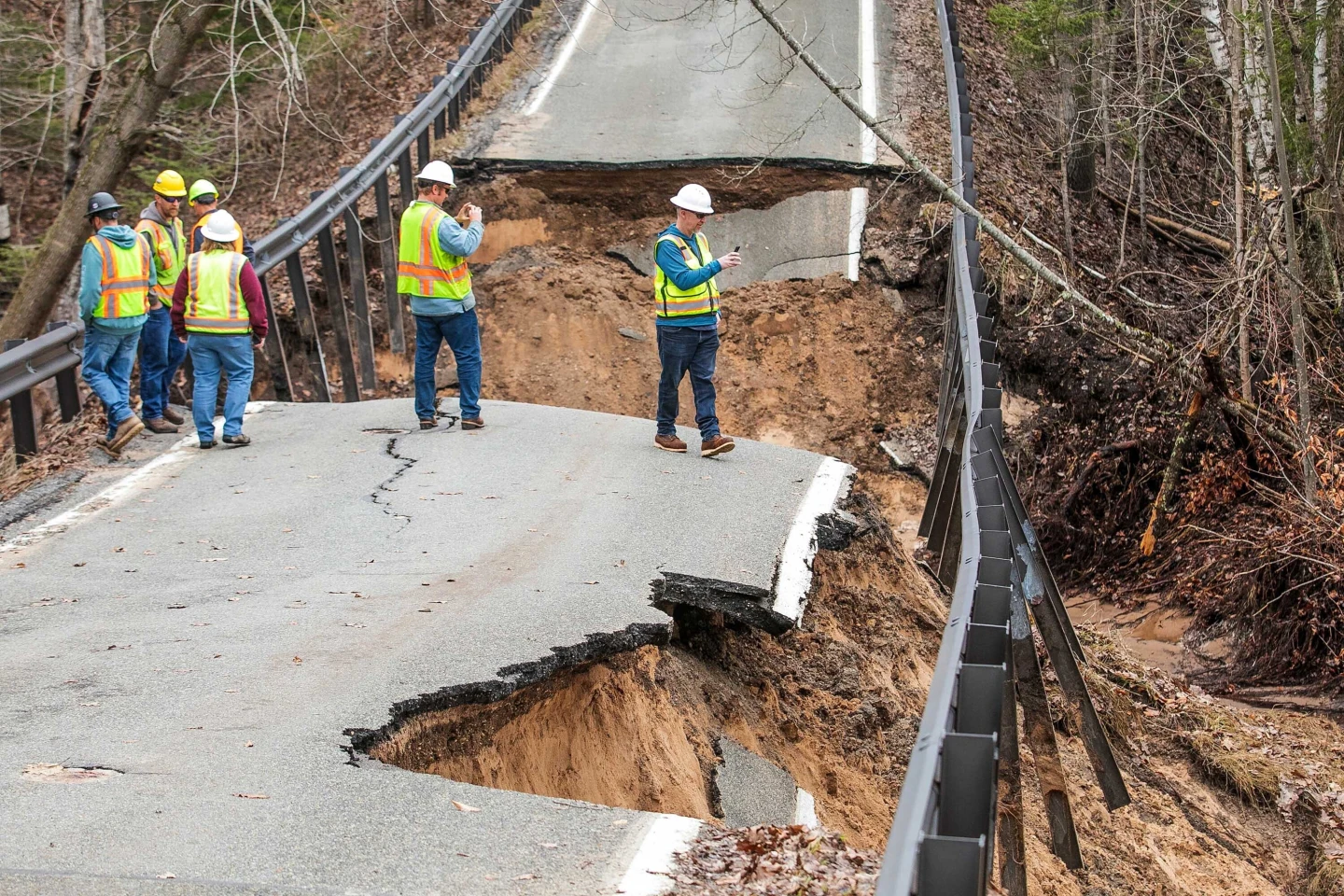
Torrential rains have triggered floods and landslides across parts of southern Asia, killing about 700 people.
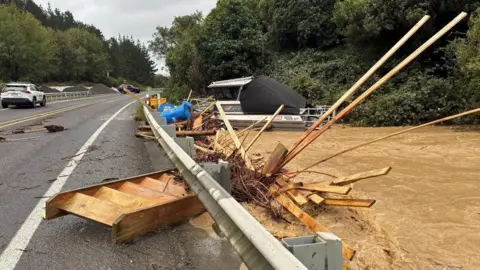
Monsoon rain exacerbated by tropical storms caused some of the region's worst flooding in years, with millions affected in Indonesia, Malaysia, Thailand, and Sri Lanka.
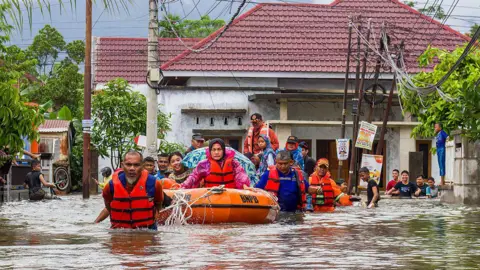
Intense rainfall began on the Indonesian island of Sumatra on Wednesday. During the flood, everything was gone, a resident of Bireuen in Sumatra's Aceh province told Reuters news agency. I wanted to save my clothes, but my house came down.
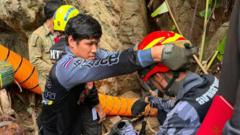
With hundreds still missing, the death toll is likely to rise. Thousands remain stranded, some awaiting rescue on rooftops.
As of Saturday, more than 300 people had died in Indonesia, 160 in Thailand, and at least two in Malaysia.
In Sri Lanka, which has been battered by heavy rains and a cyclone, more than 130 people are dead and some 170 missing, officials said.
Indonesia's disaster agency reported nearly 300 people still missing after flooding devastated Sumatra. An exceptionally rare tropical cyclone, Cyclone Senyar, caused catastrophic landslides and flooding, with homes swept away and thousands of buildings submerged.
In Songkhla province, southern Thailand, water rose 3m (10ft) and at least 145 people have died in one of the worst floods in a decade. The city of Hat Yai experienced 335mm of rainfall in a single day, the heaviest in 300 years, overwhelming the local morgues.
In neighbouring Malaysia, flooding has wreaked havoc with tens of thousands forced into shelters. In Sri Lanka, officials report extensive damage with at least 132 deaths attributed to landslides and flooding, exacerbated by Cyclone Ditwah.
Meteorologists attribute the extreme weather to the interplay of Typhoon Koto in the Philippines and the unusually strong Cyclone Senyar. Climate change continues to worsen storm patterns, leading to increased flooding and devastating rainfall.