
In brief
A recent study conducted by scientists has revealed that great white sharks in the Mediterranean Sea are facing imminent extinction due to illegal fishing activities. Over 40 sharks have been reported killed in North African waters in 2025 alone. Despite international protections, these sharks continue to be sold in fish markets, raising concerns about the region's biodiversity and the effectiveness of conservation laws. Experts warn that without immediate action, these predators may vanish from the Mediterranean.
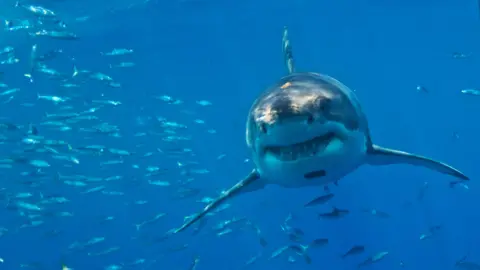
Great white sharks in the Mediterranean Sea are in serious danger of extinction, largely due to illegal fishing practices exacerbated by economic pressures. Research by a team of US scientists in collaboration with the UK-based Blue Marine Foundation indicates that illegal fishing activities are directly contributing to the decline of these majestic predators.
Despite being protected under international law, which makes it illegal to catch or sell them, reports suggest that more than 40 great white sharks have been killed by North African fisheries in 2025. The researchers, who monitored various fishing ports, found evidence that great whites and other endangered species are openly displayed and sold in local markets.
Dr. Francesco Ferretti, who led the study from Virginia Tech, expressed concern over the dramatic decrease of shark populations in these waters. “No other stretch of water is fished like the Mediterranean Sea,” he remarked, calling for urgent conservation efforts to combat the industrial fishing practices that threaten these species.
Videos posted on social media, including one depicting the landing of a large great white shark in Algeria, have raised alarms about the effectiveness of current conservation measures. Further investigations by Glancy revealed that the presence of great whites in fish markets, while alarming, indicates that some populations may still exist. “It shows that there is wildlife left,” he noted, hinting at the potential for recovery if protective measures are enforced effectively.
Addressing the issue is complex, as many local fishers rely on catching what they can for sustenance. Sara Almabruk from the Libyan Marine Biology Society emphasized the need for sustainable fishing practices, stating, “Why would they throw sharks back into the sea when they need food for their children?”
The message from conservationists is clear: immediate action and cooperation among Mediterranean countries are essential to prevent the last great white sharks from disappearing forever.

