In brief
As the Amazigh people ring in the year 2976, the celebration of Yennayer is marked by family gatherings, vibrant dress, and culinary traditions. The new year follows a calendar established in 950 BC, symbolizing a deep connection to their history and nature. Recent recognition of their language and culture highlights the ongoing journey of Amazigh identity.
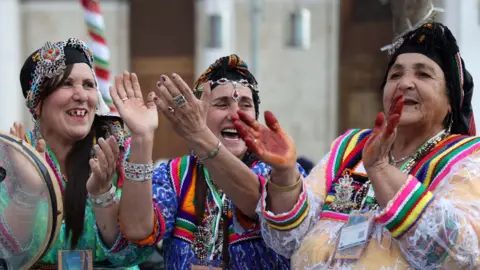
Across North Africa, the Amazigh people have been gathering to welcome the New Year 2976. This celebration, known as Yennayer, follows a calendar that dates back to 950 BC, marking the ascension of King Sheshonq of Egypt.Typically celebrated between January 12 and 14, this year saw families across Algeria, Morocco, Tunisia, and Libya indulge in grand feasts, light bonfires, and play traditional music, with villagers and city dwellers alike echoing 'aseggas ameggaz', meaning happy new year. Traditional clothing adorned with intricate embroidery added to the festive atmosphere.The term Amazigh translates to 'free people' or 'noble people', representing the original inhabitants of North Africa, whose population is estimated to be in the tens of millions, particularly concentrated in Algeria and Morocco.Yennayer emphasizes family, renewal, and a profound bond with nature. Traditional foods vary by region; for example, in Morocco, 'ourkemen', a hearty mix of legumes and grains, is popular, while in Algeria, 'trèze', a mix of sweets and nuts, is often symbolically showered upon children to bring prosperity.Yennayer celebrations have expanded in recent years to include community-wide events such as parades and concerts, marking the significance of cultural pride amidst a history of marginalization.Historically, the Amazigh faced cultural suppression, especially during the Arab conquests and under more recent regimes, such as Muammar Gaddafi’s rule in Libya where their language was banned. However, over the past decade, with persistent activism, their culture has gained recognition; Morocco officially acknowledged Tamazight as a language, and both Algeria and Morocco have declared Yennayer a public holiday.As the Amazigh celebrate Yennayer in 2976, it serves as both a joyous cultural festivity and a testament to their enduring fight for identity and respect.