Demolition Standoff: East Jerusalem Families Face Forced Evictions
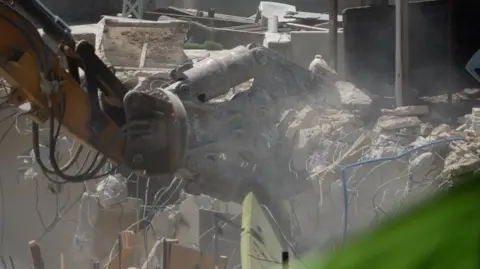
From a hillside in the Old City, the sound of an excavator breaking a Palestinian house echoes across the streets below. The scene is part of a broader pattern that has grown into an alarming crisis: since the end of 2023, Israeli authorities have demolished more than fifty homes in the al‑Bustan neighbourhood of Silwan. Many residents, including the Awad and Abdi families, are being pushed from a land they have inhabited for generations.
The demolition trend comes at a time when the Israeli government is pursuing a vision of a Jewish supersession in Jerusalem, expanding a campus of a new yeshiva and approving controversial settlement projects. The municipal plan to transform al‑Bustan into a biblical “King’s Garden” has already been delayed for two decades, but recent court orders have accelerated the demolition timetable.
Palestinian groups stress that permits for new construction in East Jerusalem are effectively blocked, with only seven per cent of approvals earmarked for Palestinians in 2025, despite them representing roughly forty per cent of the city’s population. The result is a growing shortage of housing options – virtually none that accommodate families who have earned rights to stay under international law.
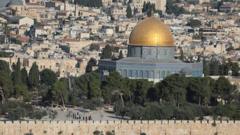
Part of the problem is the physical proximity of Silwan to the holiest mosque compound of the world. Israeli authorities view the area as a strategic site for creating a Jewish narrative, while Palestinians see it as a core part of a future independent state; the tension has escalated into bulldozer‑led removal of houses, property seizures and eviction notices that have blocked many families from moving elsewhere.
The European Union released a statement condemning the situation as “dire” in East Jerusalem, and the United Nations has highlighted that about two hundred Palestinian households face eviction orders, most pushed by settlers. Their legal arguments hold that Palestinian occupants hold legitimate claims that the Israeli system does not recognise, especially in the context of a land‑registration regime first introduced in 2018.
In the old city, Israeli flags point to structures where Jewish settlers now live, and a large sign on a religious school signals a new yeshiva that has taken over former community buildings. A judge recently ruled that the Basha family, long‑time maintainers of a historic yeshiva, must vacate the building to accommodate the institution’s expansion, adding a layer of legal uncertainty for families like Yusra Qweider – thirty‑year‑old, ninety‑seven, who cannot move because she is bedridden.
While some Israelis see Jerusalem as a single capital, most Palestinians view East Jerusalem as the capital of a potential future state. The removal of houses in al‑Bustan, and the legal manipulation of property, illustrates the stark inequality of power in the city: the government claims to build a “shared city”, but on a day‑to‑day basis, the reality is one of displacement and uncertainty.
The international community’s role appears limited – but growing pressure from EU diplomats and human rights NGOs signals a possible shift. The “dire” situation in East Jerusalem awaits further response from global bodies that could enforce international law and safeguard the rights of the remaining residents, allowing them to build a future in the place they have called home for generations.