In brief
In a shocking event at a primary school in Oregon, four people – a teacher and three children aged 5, 8 and 11 – lost their lives after a 16‑year‑old suspect forced entry through a locked door. The teenage gunman was killed on the scene by a resident who followed him inside. Two additional victims, a 7‑year‑old student and another teacher, sustained critical injuries. The tragedy underscores ongoing concerns about school safety and gun access in the United States.
Oregon Primary School Shooting Leaves Four Dead, Two Injured
A violent incident at a small elementary school in Oregon turned a routine day into a scene of horror when a 16‑year‑old suspect forced his way into the building by shooting at locked doors. He fired inside the school, killing a teacher and three young students aged 5, 8 and 11.
According to local police, the teenager was shot and killed on the scene by a community member who entered the school looking for help. This act of immediate, decisive action prevented further casualties.
Two others were also wounded in the attack. A 7‑year‑old child and an additional teacher were transported to a nearby hospital in critical condition. Hospitals are treating both patients with the hope that they will recover.
The shooting has reignited debate over gun laws and school security measures in Oregon and across the United States. While the state has stringent background‑check requirements, advocates argue that schools need enhanced physical security and rapid response plans to protect students and staff.
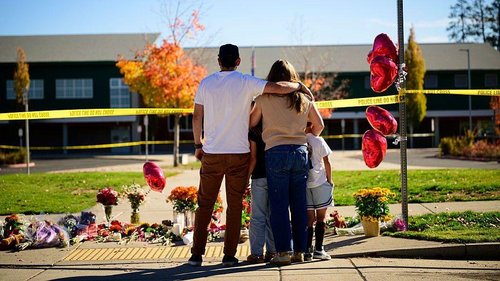
The community is coping with the aftermath by organizing memorial vigils, pledging to support the families of the victims, and pledging to advocate for stricter firearm regulations. School officials have issued statements calling for a comprehensive review of safety protocols and a commitment to preventing a repeat of such tragedies.

For continued coverage, the team will follow updates from the Portland Police Bureau and statements from school officials, providing a deeper look into how communities can push for stronger safety measures and policy changes.