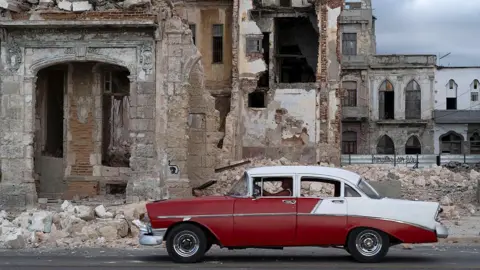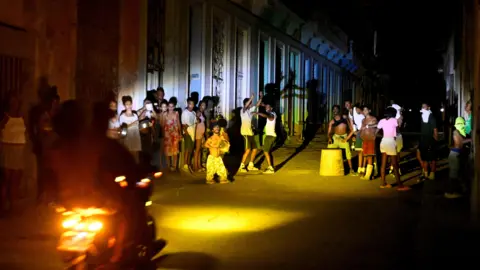
Cuba has experienced a dramatic nationwide blackout affecting more than 10 million residents, marking the second collapse of its national electrical grid within a week. The country's energy ministry confirmed the 'total disconnection of the National Electrical System' through social media, announcing that protocols were being activated to restore power. The government is prioritizing vital services such as hospitals and water systems in its recovery efforts.
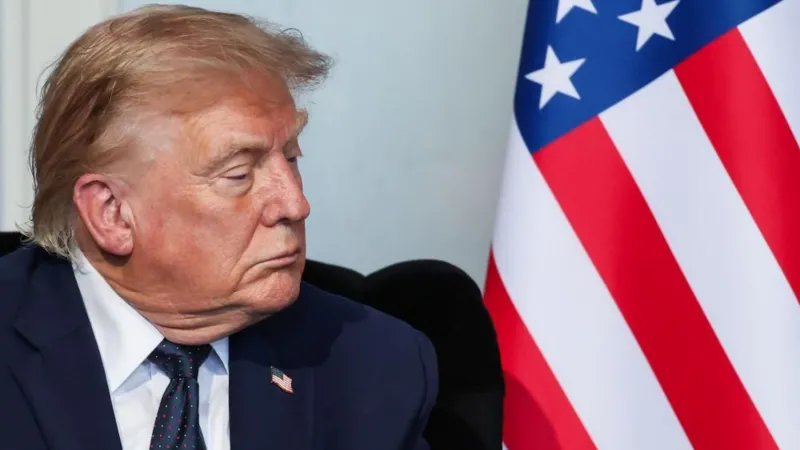
This power crisis results from an extensive US fuel blockade, significantly hampering access to necessary oil imports that keep power stations operational. Earlier this month, Cuba grappled with three significant blackouts, tightening the squeeze on an already-strained energy infrastructure plagued by age and chronic shortages of fuel.
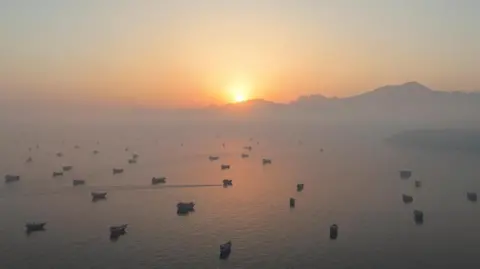
In response to the crisis, a coalition of international socialist organizations has arrived in Havana, delivering aid supplies, including solar panels and food kits. Despite rough sea conditions delaying their arrival, the 'Nuestra America' convoy is expected to reach Havana shortly.
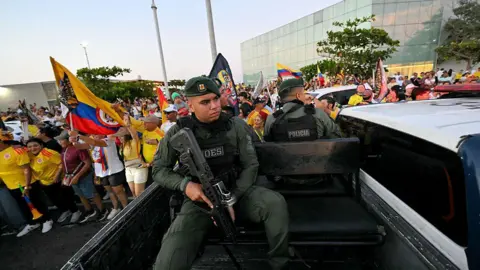
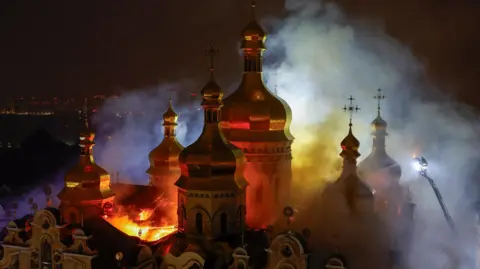
The prevailing unrest has seen citizens publicly expressing their grievances. In central Havana, residents have engaged in protests by banging pots and pans, while demonstrators in the town of Morón set fire to a Communist Party headquarters. Such protests are illegal under Cuban law, and participants face significant risks of imprisonment.
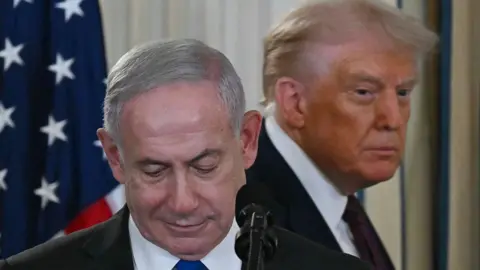
The Cuban government has affirmed its commitment to maintaining its political system, with recent dialogues reported between Cuban and US authorities aimed at navigating the mounting crisis. Though initial discussions have occurred, the situation remains precarious. Assistant Foreign Minister Carlos Fernandez de Cossio emphasized that neither the political system nor the presidency in Cuba is open to negotiation, reflecting the deep-seated tensions that characterize the current state of affairs.
This power crisis results from an extensive US fuel blockade, significantly hampering access to necessary oil imports that keep power stations operational. Earlier this month, Cuba grappled with three significant blackouts, tightening the squeeze on an already-strained energy infrastructure plagued by age and chronic shortages of fuel.
In response to the crisis, a coalition of international socialist organizations has arrived in Havana, delivering aid supplies, including solar panels and food kits. Despite rough sea conditions delaying their arrival, the 'Nuestra America' convoy is expected to reach Havana shortly.
The prevailing unrest has seen citizens publicly expressing their grievances. In central Havana, residents have engaged in protests by banging pots and pans, while demonstrators in the town of Morón set fire to a Communist Party headquarters. Such protests are illegal under Cuban law, and participants face significant risks of imprisonment.
The Cuban government has affirmed its commitment to maintaining its political system, with recent dialogues reported between Cuban and US authorities aimed at navigating the mounting crisis. Though initial discussions have occurred, the situation remains precarious. Assistant Foreign Minister Carlos Fernandez de Cossio emphasized that neither the political system nor the presidency in Cuba is open to negotiation, reflecting the deep-seated tensions that characterize the current state of affairs.