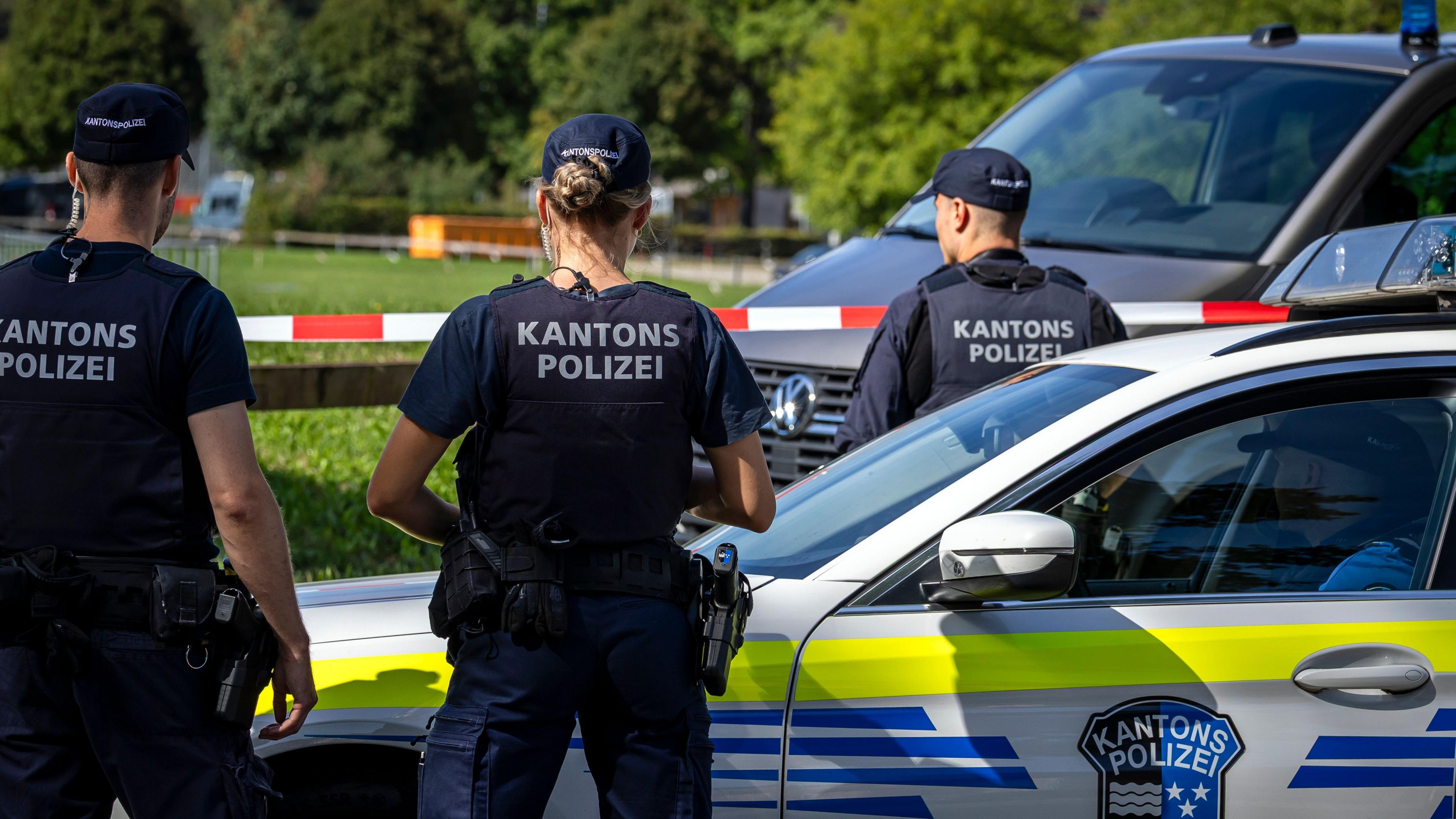
Police investigators in France have recovered a Luger pistol from Lake Annecy – a finding that could finally crack a 14‑year‑old cold case involving the brutal killings of a British family.
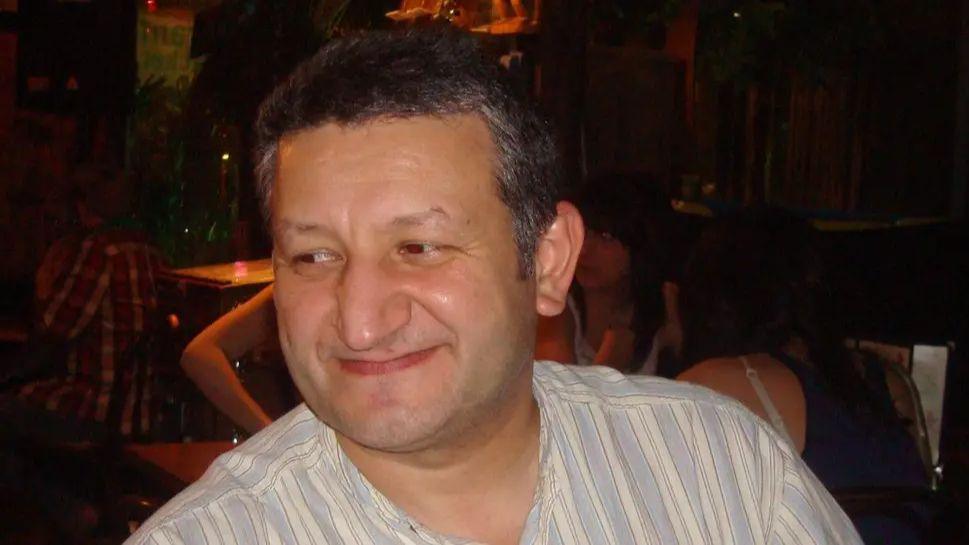
The murders, which took place on 5 September 2012, killed Saad al‑Hilli (a British national born in Iraq), his wife and his mother‑in‑law, all while they were staying in a caravan beside the lake. A passing cyclist was also shot dead the same evening. Their bodies were discovered in a car with its engine still running on a forest road near the village of Chevaline.
In those years, forensic experts had identified the gun as a Luger P06 – a model made for the Swiss army in the 1950s and typically kept as a collectible – based on fragments of a pistol butt that struck one of the dead. The rarity of the weapon made a “professional hit” hypothesis less likely, but the mystery of who killed them and why has remained unresolved.
A source for Marianne magazine reported that a group of British tourists found the pistol in about two metres of water on 20 August – just a day before the murders – while they were at the nearby “Le Solitaire du Lac” campsite. The weapon’s weight and shape convinced the tourists that it had no chance of being a conventional water pistol.
The Luger P06 was badly water‑damaged but has been recovered by police; forensic analysts are now testing it to confirm its model and any possible serial number. If the pistol is indeed the one used in 2012, it would be a tangible link that could point investigators back into Switzerland or the French‑Suisse border region where many P06s are reportedly kept in family collections.
Saad al‑Hilli’s son was aged four and the older daughter seven when the murders happened. The older child was hit by the butt of a pistol, while the youngest lay inside the car, hidden under her mother’s skirts. Meanwhile, the younger daughter survived unharmed, making the case even more tragic and poignant.
What’s next? Police are hopeful that forensic evidence from the recovered gun will reopen investigative avenues – potentially linking the weapons to a known suspect or a specific geographic area – and could finally bring closure to the victims’ families. In the eyes of the French public, a fresh lead after over a decade of silence has given new hope that justice may yet be served.