In brief
A 23‑year‑old former electrician, Tyler Robinson, has entered a not‑guilty plea to the murder of conservative activist Charlie Kirk, a 31‑year‑old founder of Turning Point USA. Judge Tony Graf ruled that the prosecution can pursue a capital‑punishment trial, citing aggravating factors such as firing into a crowd and the presence of children. Prosecutors presented DNA evidence, video footage and confessions to establish Robinson as the shooter, while defense attorneys challenged the evidence and sought to eliminate the death penalty. The family of the slain activist expressed relief at the court’s decision and argued that the case must confront the severity of the crime.
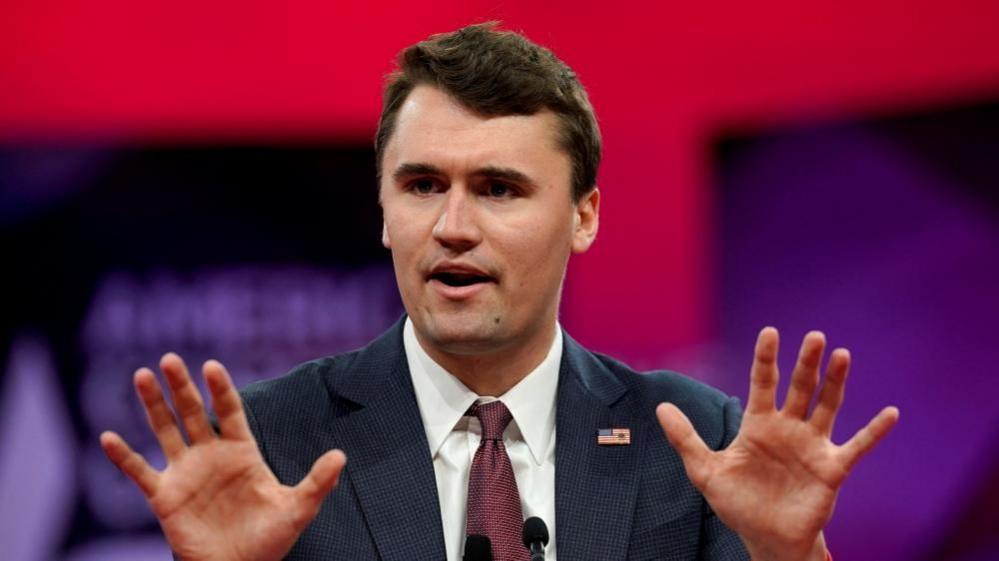
A 23‑year‑old former electrician, Tyler Robinson, has pleaded not guilty to the murder of conservative activist Charlie Kirk, a founder of Turning Point USA. The shooting occurred on September 10, 2025, at Utah Valley University in Orem, where Kirk was speaking about youth engagement and transgender issues.
Tyler Robinson, wearing a grey suit, appeared in the Provo courthouse on Tuesday in front of Judge Tony Graf. He denied the aggravated‑murder charge—an offence that can result in the death penalty in Utah—as well as six additional counts related to the shooting.
Prosecutors, led by Ryan McBride, argued that the case warranted a capital‑punishment trial. They highlighted several "aggravating" facts: the defendant allegedly fired into a dense crowd that included children, and his actions constituted a "ballistic roulette" that endangers many lives.
The defense sought to remove the death penalty from the proceedings. They challenged the chain of custody for DNA evidence, questioned the admissibility of confessions made on video, and argued that no bullets hit anyone in the crowd apart from the victim.
Judge Graf reviewed the arguments and, in a sealed hearing, decided to allow the prosecution to pursue a capital case. This ruling means that Robinson can now face a death‑penalty trial, where the jury will consider the prosecution’s evidence of motive, premeditation and the surrounding circumstances.
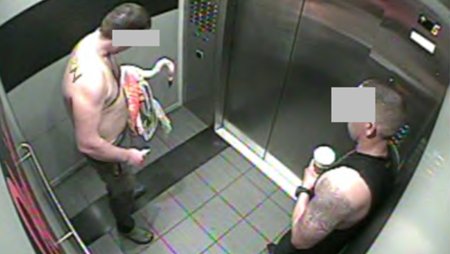
Prosecutors identified six key pieces of evidence: DNA from the shooter’s rifle, a towel and a screwdriver recovered at the scene; the defendant’s confession to his roommate and to a romantic partner; and video footage showing him in proximity to the campus and the event, dressed as if prepared to shoot.
The case has already drawn considerable public attention, given the high profile of Charlie Kirk and the political context. The continuation to capital trial will be a significant legal milestone, marking one of the rare death‑penalty cases linked to a high‑profile activist killing in the United States.