In brief
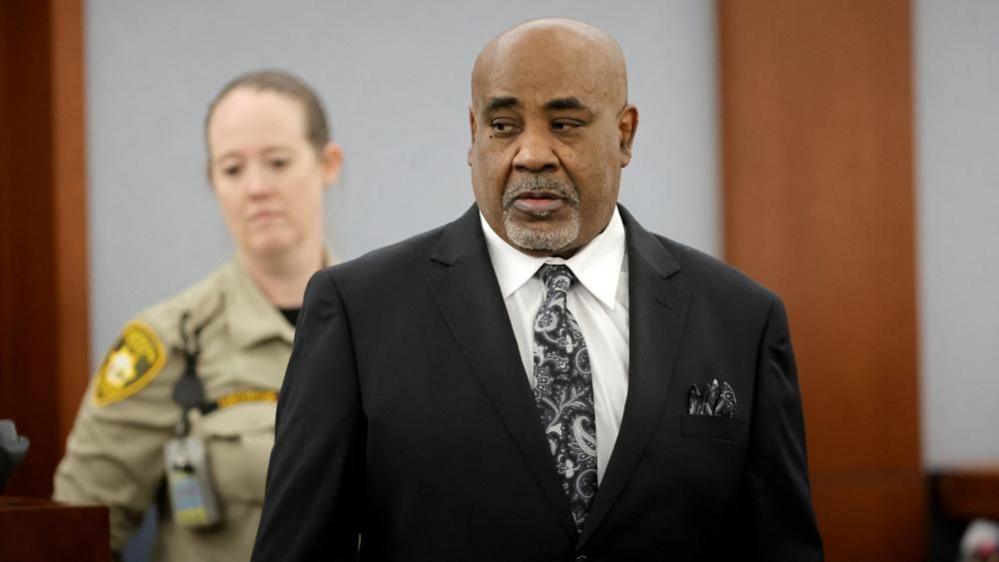
A 2008 police interview, heard in Las Vegas courts, reveals former gang boss Duane "Keffe D" Davis allegedly handed the gun that killed Tupac Shakur to his nephew Orlando Anderson. Prosecutors argue Davis orchestrated the drive‑by shooting despite not firing the shots himself. The confession, made over a decade after the murder, freshens a case that has long captivated the public. Davis maintains he is innocent, citing unreliable witnesses and a flawed investigation. This testimony could reshape the narrative around one of the music industry’s most iconic deaths.
Introduction
A former gang leader has admitted to handing the murder weapon that killed his rival, setting the stage for new legal drama in Las Vegas.
The 2008 Confession
Duane "Keffe D" Davis, 63, stood before detectives in 2008 and revealed he gave the cartridge of the weapon to a passenger who then passed it to his nephew, Orlando Anderson, who opened fire on the rapper. The testimony, heard in court, is the first time Davis has taken a stand on the night of the shootings, over a decade after the incident.
Prosecution’s View
Legal experts argue that Davis, while not firing the shots himself, ordered the killing and supplied the gun. They point to his prior comments under a supposed immunity deal, which the prosecution claims were voided when Davis’s memoir was published. The memoir, named "Compton Street Legend", includes details of the night that prosecutors say validate the police interview.
Defense Position
Davis’s lawyer Michael Sanft says his client’s statements are fabricated, urging jurors to question the reliability of witnesses and the integrity of the police investigation. Sanft notes that no witnesses could pinpoint who fired the shots and that the case’s key witnesses are deemed untrustworthy.
Implications for the Cold Case
If courts accept this new evidence, readers may finally understand the chain of responsibility behind Tupac’s death, a case that has haunted the music scene for thirty years.