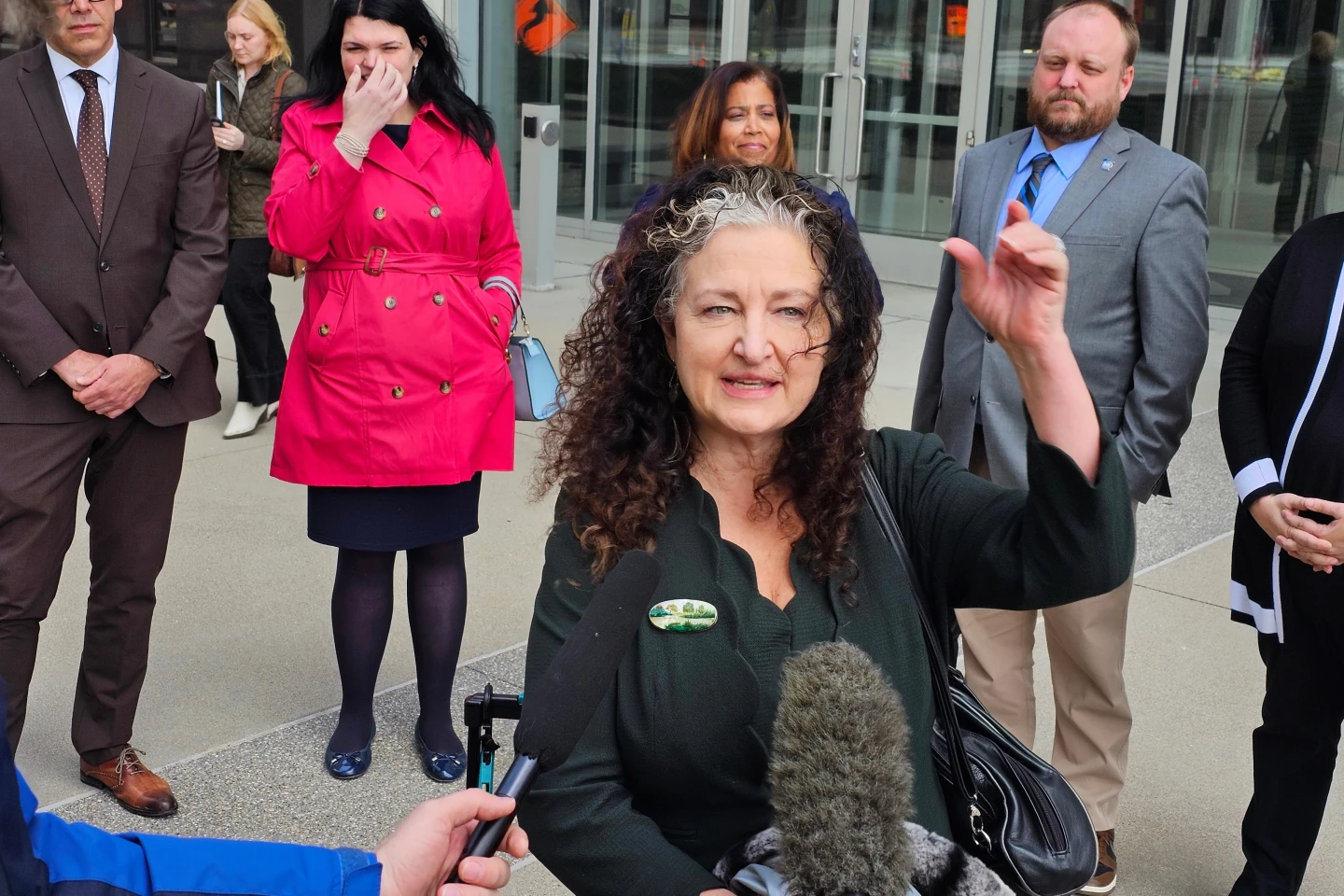
MINNEAPOLIS (AP) — In a move highlighting the intersection of faith and immigration law, Protestant and Catholic clergy in Minnesota are pressing a federal judge for the right to minister to immigrants held at a federal facility associated with the state’s recent Department of Homeland Security enforcement actions.
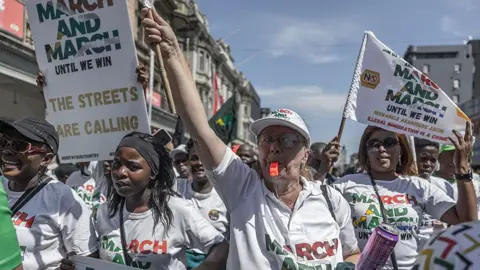
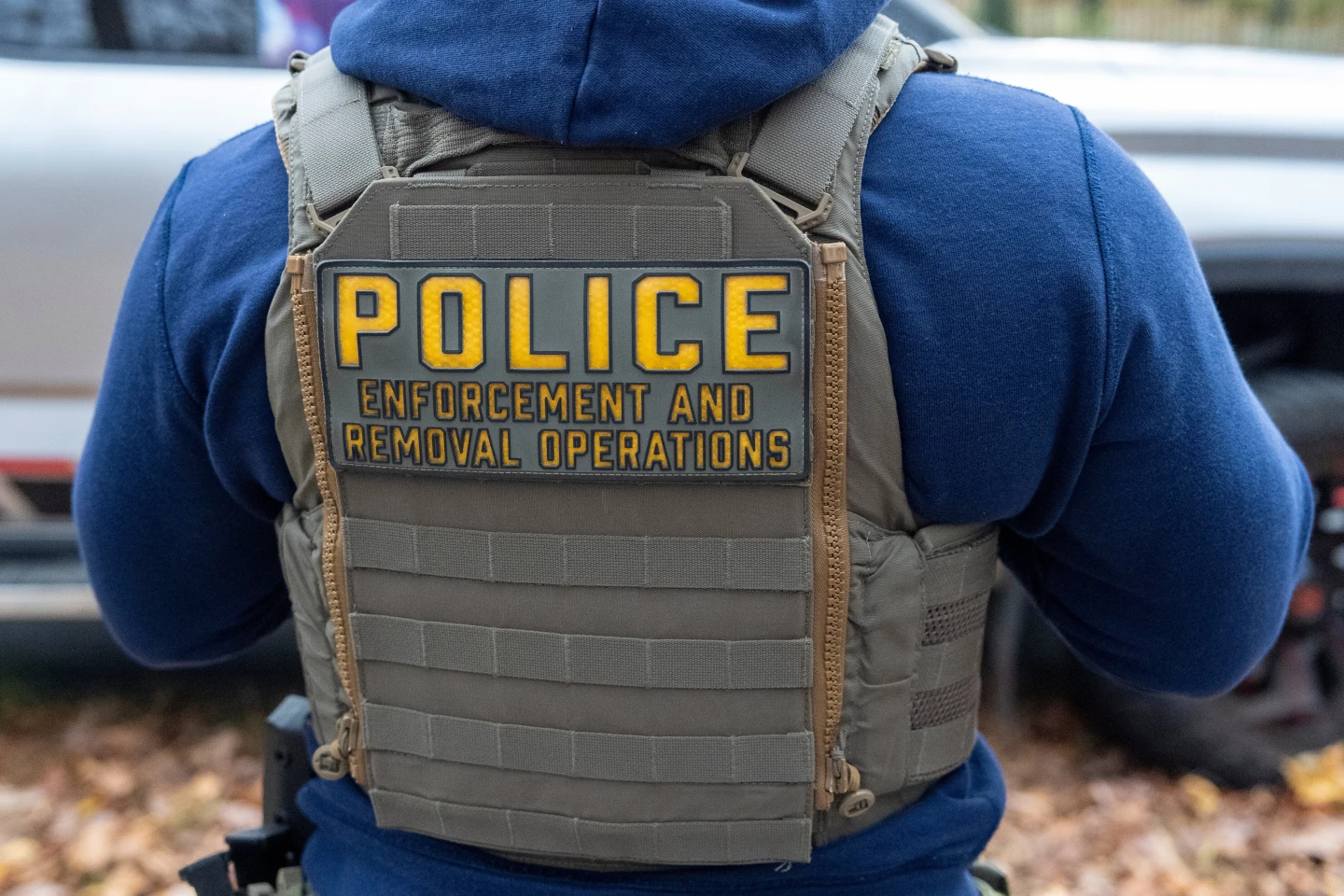
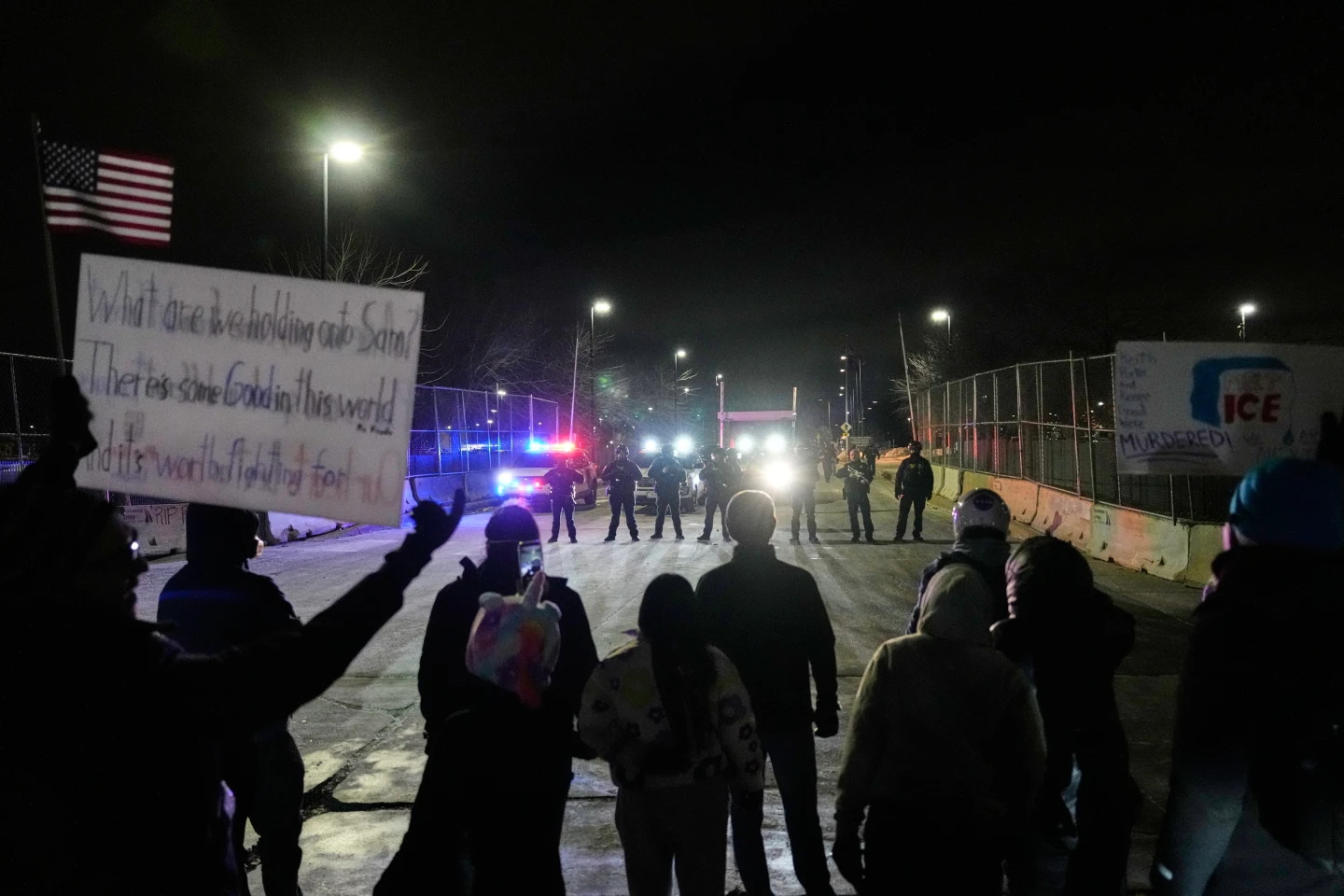
U.S. District Judge Jerry Blackwell is slated to hear arguments on Friday from representatives of the Minnesota chapter of the Evangelical Lutheran Church in America and the United Church of Christ, alongside a Catholic priest, who have filed for an injunction mandating the allowance of prompt in-person pastoral visits to all detainees at the Bishop Henry Whipple Federal Building in Minneapolis. This facility has become a focal point of protests due to the presence of around 3,000 federal officers during a prior enforcement spike.
The lawsuit asserts that the current conditions at the Whipple building starkly contrast with the legacy of its namesake, the first Episcopal bishop of Minnesota, who was an advocate for human rights. It describes the facility as a locus of systemic deprivation of fundamental constitutional and legal rights for immigrants.
Attorneys from the government plan to counter these claims by stating that the matter may be moot since Operation Metro Surge formally concluded on February 12, leading to a reduction in new detentions and easing of visitation policies. They assert that clergy have been able to conduct visits for over two weeks, arguing that previously heightened security measures were necessary given the tensions surrounding the enforcement operations.
The case reveals broader struggles faced by clergy nationwide who seek to access immigration detention centers, particularly during significant religious seasons such as Lent and Ramadan. Past efforts have shown that faith leaders have historically provided essential spiritual support to vulnerable detainees, but these rights have faced increasing opposition in current legal and political climates.
The lawsuit details multiple instances where clergy members were denied access to minister to detainees, including on key religious dates such as Ash Wednesday. The case argues that such restrictions violate both constitutional rights to freedom of religion and the 1993 Religious Freedom Restoration Act.
Current ICE policies stipulate that facilities holding detainees for longer than 72 hours must have a chaplain or coordinator for religious services, yet these requirements have seemingly been bypassed at the Whipple building, which officials maintain is designed for short-term detentions. In contrast, clergy argue that as the facility lacks sufficient spiritual support provisions, their access is crucial for those experiencing fear and isolation.
This lawsuit underscores the critical debates surrounding immigration policies, detention practices, and the role of religion in public life, as clergy from diverse religious backgrounds, including the Minnesota Council of Churches, stand in solidarity with this legal action. Their appeal to the court comes amid ongoing scrutiny over treatment of detainees and calls for adherence to ethical guidelines in immigration enforcement.