China Rips UK Nationalisation Of British Steel, Warns Of Investment Fallout
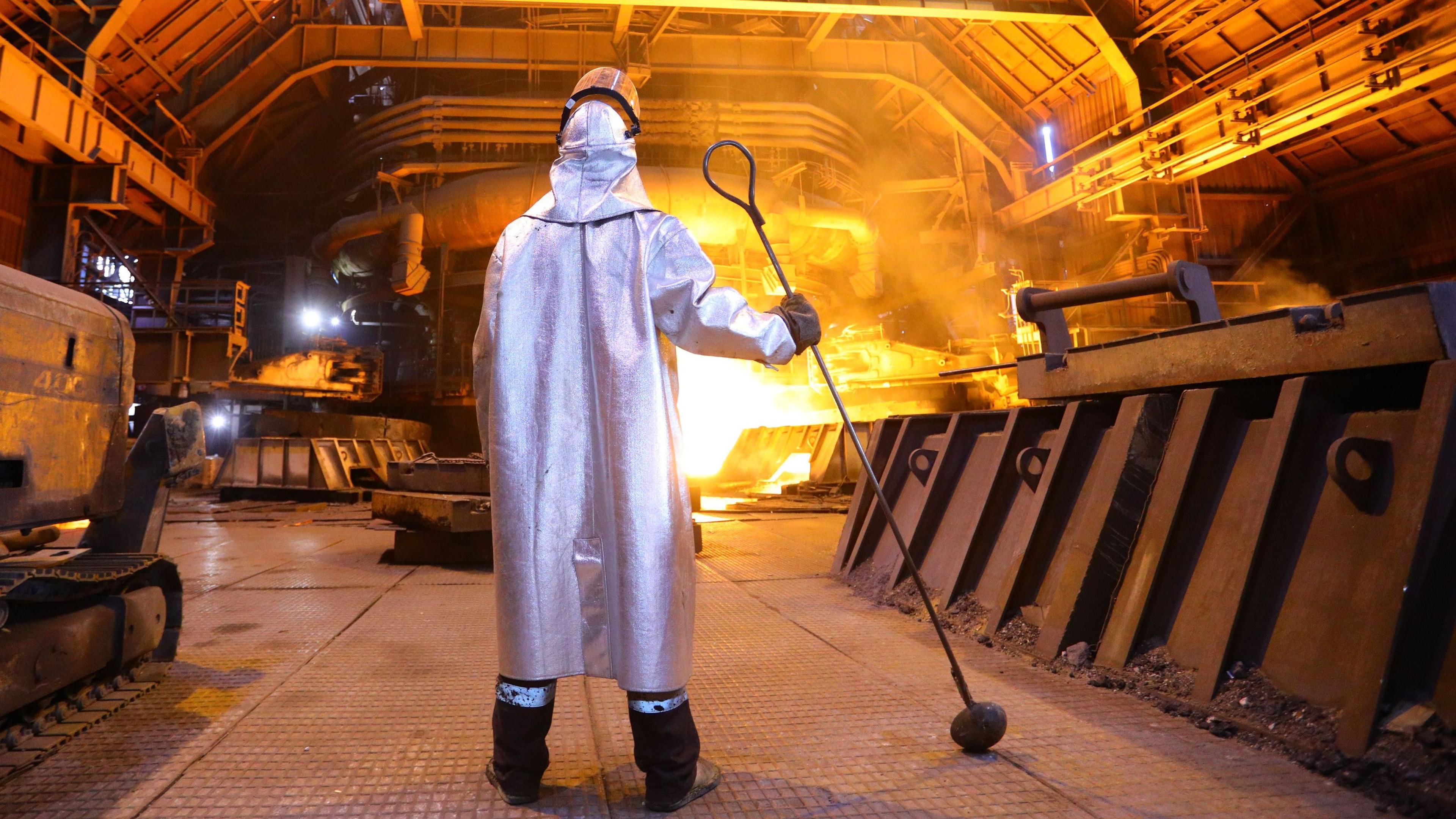
The UK’s decision to place the loss‑making British Steel into public ownership has ignited a diplomatic flare‑up with China. Beijing’s commerce ministry issued a harsh statement on Friday, asserting that the move “seriously infringed upon Jingye’s legitimate rights and interests” and “severely undermined the confidence of Chinese companies investing in the UK.”
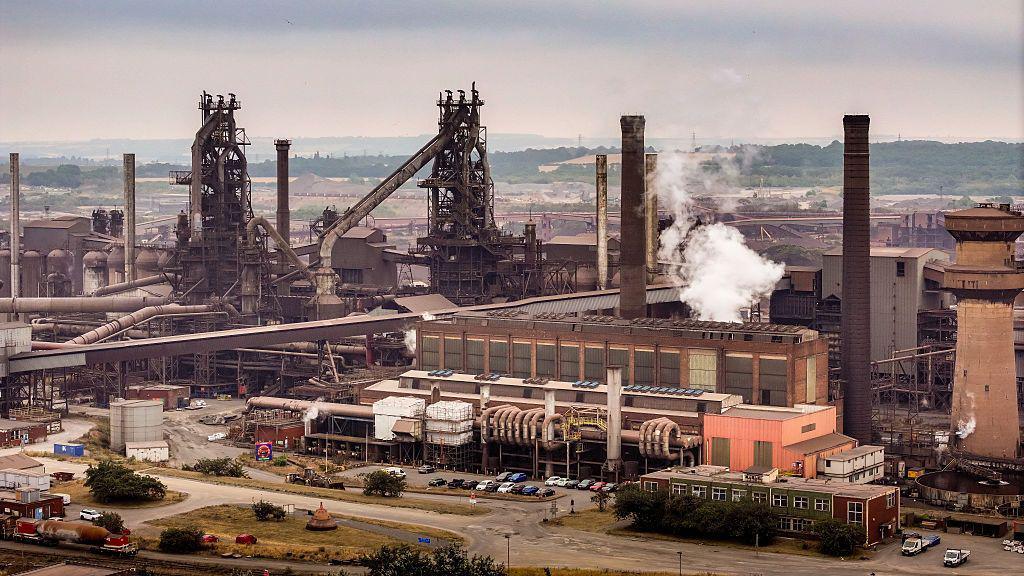
In defence, the British government said that nationalising the plant was a safeguard of a “vital national capability” and a measure to protect jobs. The operation, which began last year under the UK’s Nationalisation Bill, brings with it an immediate financial burden, with the National Audit Office citing daily costs of around £1.3 million.
China’s reaction dovetails with a broader concern over the security of foreign investment. The ministry called on Britain to “faithfully fulfil” its obligations under the bilateral investment treaty and warned that it would support Chinese firms in protecting their rights, though no specific actions were outlined.
The policy sits at the crossroads of a looming domestic political shift. With new Prime Minister Andy Burnham slated to take office next Monday, the UK faces a delicate balancing act: securing the steel industry’s future while maintaining trade momentum with China, which remains critical to Britain’s economic outlook.
The nationalisation’s long‑term prospects are uncertain. While the government now controls the plant’s future direction, the high running costs and the need to integrate with Europe’s steel strategy may prompt a reconsideration of the state’s role in the industry. Anything less than a resuscitation of the plant could invite further scrutiny from both domestic stakeholders and international investors.
London’s next steps will be watched closely as it navigates the intersection of industrial policy, diplomatic relations and economic strategy.