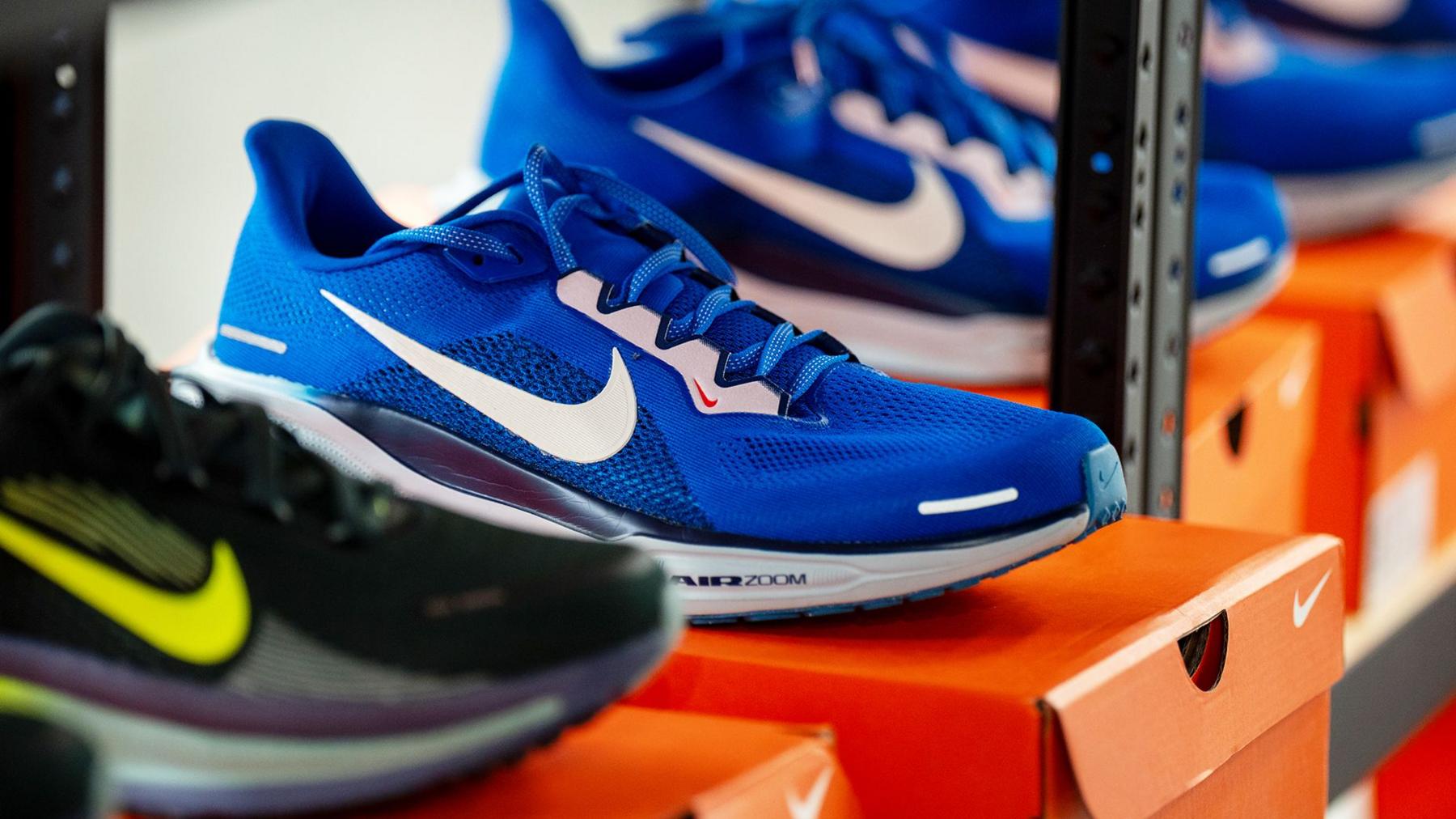
Nike, once the cornerstone of athletic fashion and innovation, has found itself slipping in a market that now favors speed, flexibility and bold new entrants. After a decade of unrelenting growth, the company’s recent financials tell a different story: sales dip, stock falls, and a widening gap between its brand promise and the reality of a global consumer base that increasingly looks elsewhere.
The pivot to direct‑to‑consumer sales, popular under CEO John Donahoe in the pandemic era, seemed to be a masterstroke—elevating revenue during lockdowns and tightening control over distribution. The strategy, however, cost Nike the visibility it had cultivated over years of omnichannel reach, allowing newer brands such as On and Hoka to carve out shelf space once dominated by the swoosh.
Compounding the operational drift is the high‑profile exit of football phenom Kylian Mbappé, who signed a long‑term partnership with On at the end of September. Mbappé’s move, echoing Michael Jordan’s early decision to champion Nike over rivals, has sparked speculation that Nike’s flagship athlete recruitment strategy is in decline.
Nikely Traits of the Downfall
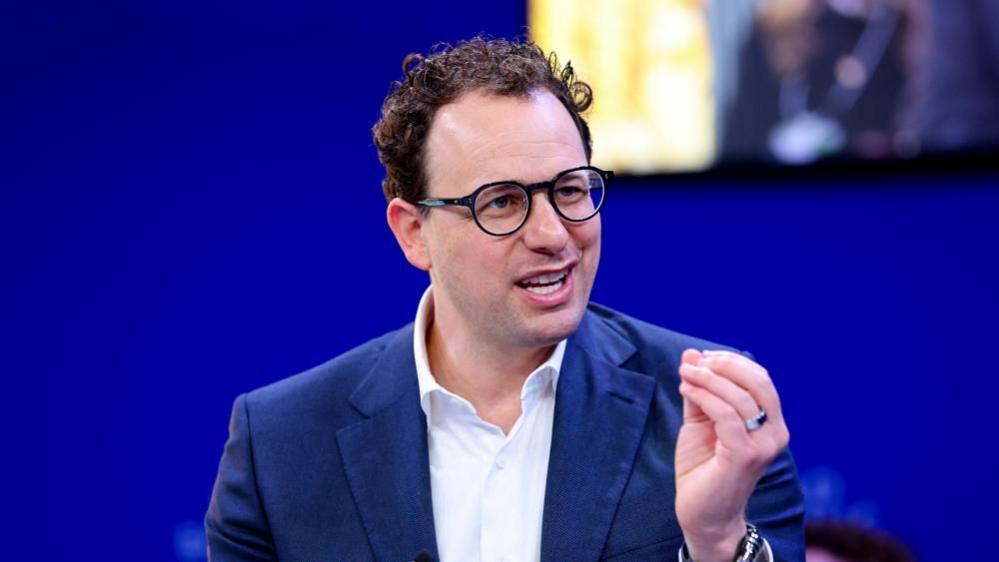
Analysis from veteran sports‑retail expert Matt Powell highlights three key missteps: over‑reliance on limited‑edition releases that saturate the market, a diversion of research‑and‑development spend toward digital platforms at the expense of new product innovation, and a waterfalled task of reducing over‑supply of the iconic Jordan line. In his words, “When you shut down innovation, you don’t turn it back on and it goes right back to full speed.”
Financial‑results reveal an annual revenue drop of high single digits, with China—Nike’s largest single market—experiencing a 26 % revenue decline. The company has announced a $2.5 bn savings program across the next decade, but such austerity will also segment workforce numbers.
Sport Offense: A Path Forward?
Under the stewardship of Elliott Hill, the latest turnaround initiative—codenamed Sport Offense—aims to fasten the pace of product cycles, reinvigorate the Jordan brand with more selective releases, and sharpen the focus on emerging markets, especially Asia. The firm’s latest earnings call promised a “more refined” product mix, telling investors that growth will resume next year as the plan takes root.
Even with these adjustments, Powell remains cautious, noting that while Nike remains the pre‑eminent brand for many—especially younger shoppers—its dominance will likely never return to the “gorilla” level of its Golden Era. What it can reclaim, however, is sustainable profitability and a launchpad for new innovations that resonate with a cohort disaffected by costly digital spending.
As the brand navigates this turbulent era, the market watches for a renewed partnership model that balances high‑profile athlete endorsements with a strategic, data‑driven approach. Only time will tell if Nike’s storied legacy can survive the upheaval of new competitors and a shifting consumer landscape.