
In brief
China’s finance ministry announced a $54bn (360 billion yuan) injection into eight state‑owned banks and insurers to stabilise the financial system and stimulate a sluggish economy. The move aims to improve operating, risk‑resistance and service levels for the real economy. As the country faces trade tensions with the West, escalation of the Iran war, a shrinking workforce and a deep‑rooted property slump, this package is part of Beijing’s strategy to re‑energise growth. The funding will be spread among three major banks—including the Industrial, Agricultural and China Export & Credit Insurance Corporation—and five insurers. Analysts view the package as a bid to steer capital into domestic credit and cushion institutions against global financial uncertainty. Official GDP data in July showed China grew 4.3 % in Q2, below the target range of 4.5‑5 % set after a 5 % rise in Q1.
China’s finance ministry is injecting $54bn into eight state‑owned banks and insurers to shore up the country’s financial system and boost a slowing economy.
The cash injection will total 360 billion yuan ($53.6bn), Xinhua said on Sunday. The move is intended to enhance operating capabilities, risk resistance and service provision for the real economy.
It comes as Beijing seeks to re‑energise the second‑largest economy amid trade tensions with the West, the impact of the Iran war on oil supplies, and an aging population.
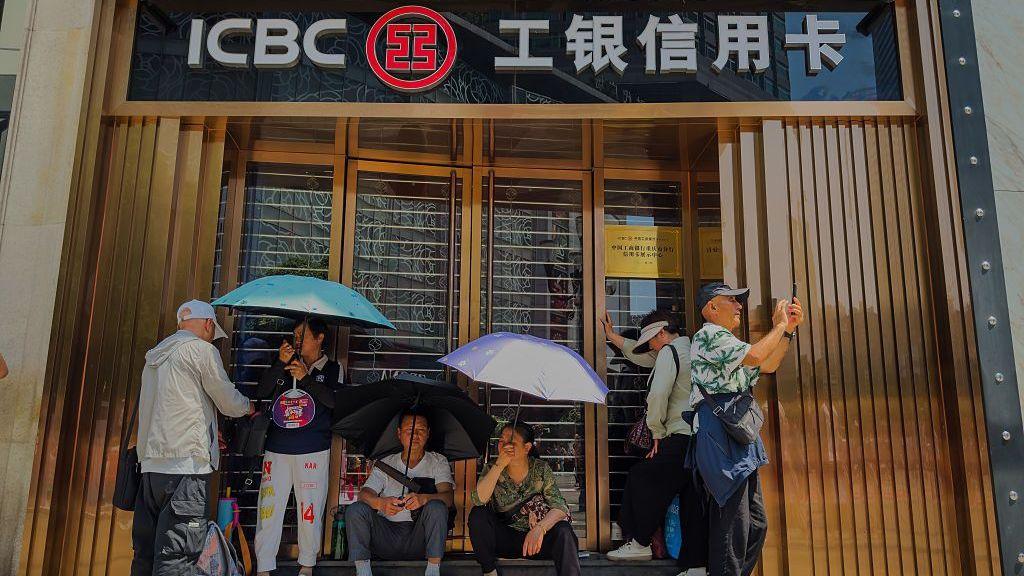
The package will provide finance to three large banks—Industrial and Commercial Bank of China, Agricultural Bank of China and China Export & Credit Insurance Corporation—and five insurers.
Global Times noted the injection will give banks and institutions more resources to channel into credit for the real economy, while strengthening their resilience to external shocks amid global financial uncertainty.
President Xi has long considered financial stability critical to China’s national security.
China’s announcement occurs as the country aims to reshape its economy in the face of workforce shrinkage, a property market slump and ongoing trade and technology rivalry with the United States.
Official GDP figures released in July showed a 4.3 % rise in Q2, below Beijing’s target of 4.5‑5 %. In March, the government cut this target for the year to the lowest level since 1991.
For more context, read the full analysis: China's economic growth slowed sharply between the start of April and end of June.

