Chinese teens slip into prescription‑drug highs to escape exam stress
Around the country, a Quiet epidemic of prescription‑drug abuse is taking root in high‑school corridors. 14‑year‑old Xiaomei, a top‑student from a coastal province, first overdosed on cough suppressants bought online and later tried a range of pain and seizure medications, seeking a “pharmaceutical high” to escape the crushing pressure of exams.
The drugs began simply to calm her jittery nerves after a test, but Xiaomei quickly discovered the “numb” sensation was a brief respite from her life‑shifting tests and parental expectations. She moved from cough pills to neuropathic pain medicines and other prescriptions, often taking more than ten tablets at a time, until a near overdose forced her family to intervene.
She is not alone. The BBC has heard similar accounts from dozens of Chinese teens on social‑media chat rooms, all sharing the same sentiment: “I’m running away from reality.” These teens seek an escape from exam anxiety, parental pressure, and a sense of isolation in a system that limits personal interaction.
Some teens have even manipulated prescriptions by faking counterfeit paperwork, while others barter pills on the internet for as little as 10 Chinese yuan ($1.5). The Ministry of Justice’s 2025 paper notes that as one drug is controlled, new alternatives quickly appear.
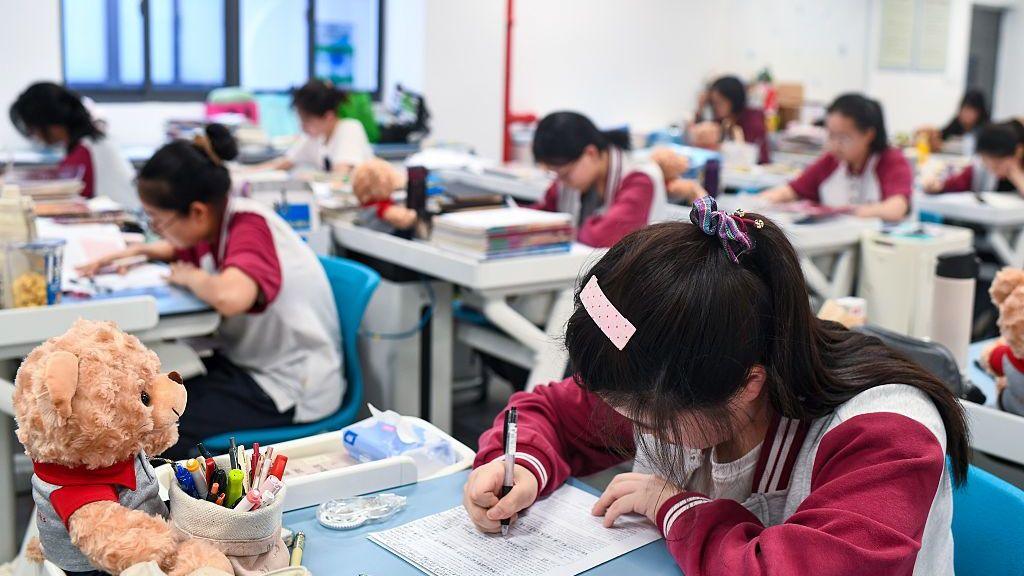
The pressure in China is real. Students spend up to nine or ten hours a day in school, with little time for social bonding. The one‑child policy means many families treat the lone child as a ticket to the future, intensifying the pressure to perform.
The government has responded with a crackdown: a 2024 decision made the cough suppressant Xiaomei used a psychotropic drug that requires a doctor’s prescription, and a 2025 tighter control of other prescription medicines. Meanwhile, a nationwide mental‑health initiative seeks to deliver counselling rooms to each primary and junior middle school, establish psychiatric services in every county hospital, and recruit more child psychiatrists—though 500 qualified professionals remain the national count, mostly in Beijing and Shanghai.
Yet the root of the crisis lies deeper. Experts say open, empathetic family conversations are the most powerful solution, yet parents often respond with anger or dismissal: “You just have to be stronger.” According to sociologist Xiang Biao, the emotional gap between generation can foster self‑harm.
The recent overdoses that forced Xiaomei to hospitalisation changed her family’s approach. They listened, talked, and focused on her emotional needs, which helped her ace her impending entrance exam. That “support” became a lifeline, encouraging her to repair her relationship with her parents and her own sense of worth.
Not everyone has such support. 22‑year‑old Lu Jingchan, who struggled with depression and overdosed four times in four years, now urges peers to stop self‑medicating and face life head‑on. He offers empathy and advice based on his own journey from crisis to recovery.
The crisis underscores the need for a cultural shift: mental‑health resources, open dialogue, and educational system reforms. Without acknowledging the psychological toll of intense schooling, China risks a growing wave of drug abuse and self‑harm among its youth.