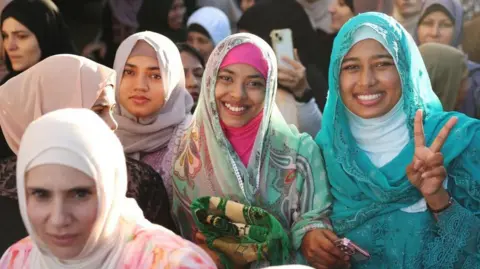
As sunset approached in the south-western Sydney suburb of Lakemba last week, the street outside the Imam Ali bin Abi Taleb Mosque filled with thousands of people, most finding a seat at one of many trestle tables covered with white tablecloths.
The mosque was hosting a community Iftar: the evening meal that marks the end of daily fasting in Ramadan. The tables were divided into sections, marked by buffet stations labelled 'women' and 'men'. As the sun went down, families brought out boxes of dates to break their fast, sharing them with neighbors and other guests.
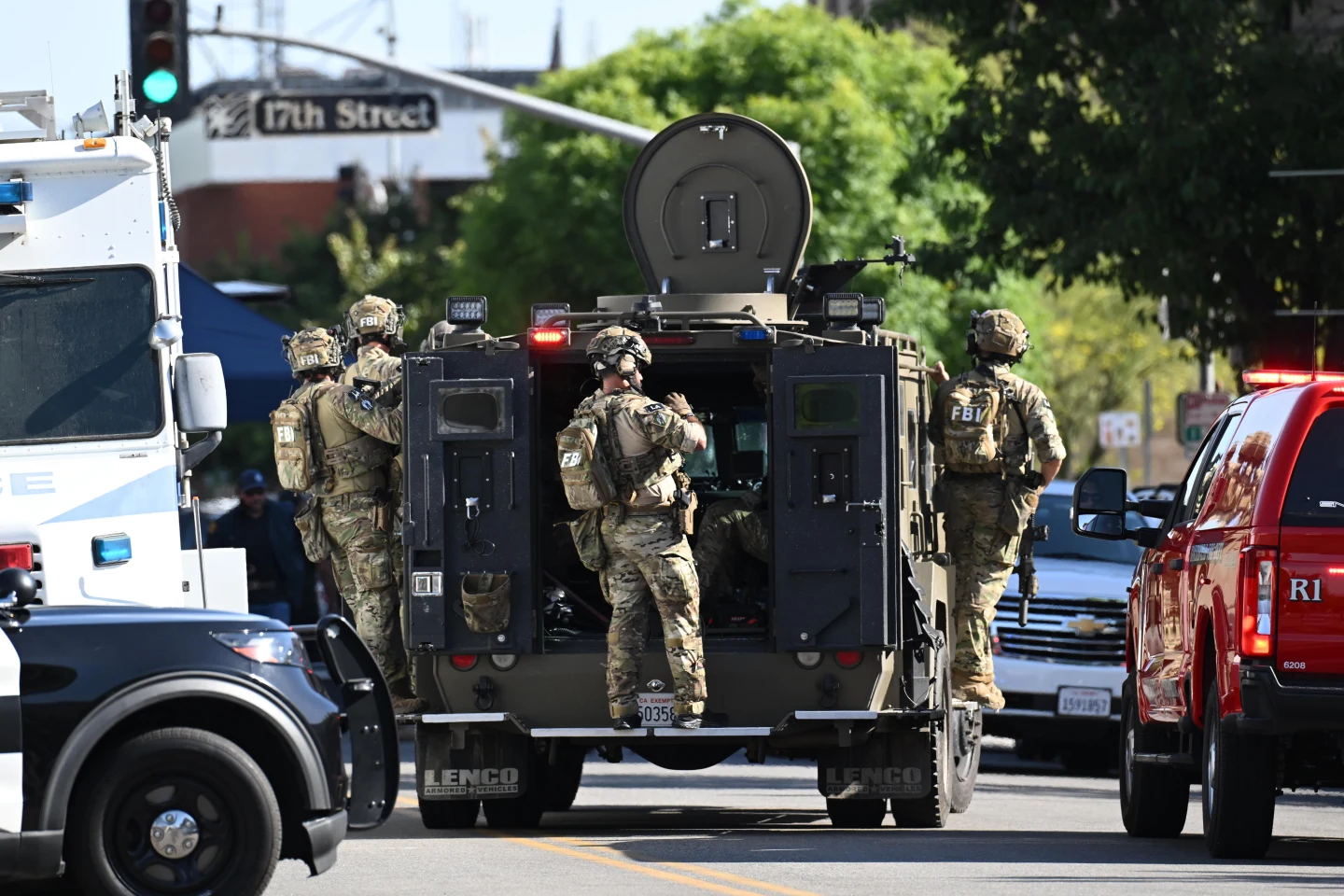
Despite the celebratory atmosphere, a police surveillance trailer with 360-degree cameras stood nearby, a reminder of the fears the community grapples with. Following threats received, community leaders requested increased police presence throughout Ramadan, supplementing it with private security. We are going through very challenging times at the moment for the Muslim community and Australia in general, said Gamel Kheir, secretary of the Lebanese Muslim Association. If ever there was a need for communities to come together and break bread, I would say this year is more [important] than ever.
Islamophobia is on the rise across Australia. According to the Islamophobia Register Australia, the average weekly rate of reported incidents jumped from 2.5 to 18, marking a surge of 636% since the Hamas attack on Israel on October 7, 2023. Concurrently, antisemitism has also surged, indicating a troubling environment of escalating hate crimes.
The sentiment of anxiety permeates through Lakemba, known as Sydney's Islamic heartland with 61% of its population identifying as Muslim. This neighborhood serves as a cultural touchstone for many, offering a sense of safety in a broader landscape marked by increasing ethnic tensions.
Kheir emphasizes the need for community backing in challenging times. We should be alarmed and very concerned – it's really the tip of the iceberg, he said, reflecting the sentiment of many amidst growing fears of discrimination as political discourse shifts in Australia.
The recent massacre at Bondi Beach and subsequent attacks have highlighted the need for urgent dialogue and action against racism. The fear that I have is Pauline Hanson and her dog whistling has such an effect on the Labor and Liberal Party that they are too scared to take the defense of the Muslim community because it's political suicide for them, Kheir stated, revealing the complex intersection of social attitudes and political maneuvers.
As they came together during Eid celebrations, Australian Muslims stood firm against the rising tide of Islamophobia, demonstrating resilience through cultural unity in the face of adversity.