Amidst the ongoing national conversation around immigration policy, businesses across Minnesota find themselves increasingly entangled in President Trump's mass deportation efforts. From local cafes to prominent retail chains, the implications of federal immigration enforcement are being felt both operationally and publicly.
Reports indicate that Minneapolis is witnessing one of the largest operations by the Department of Homeland Security (DHS) as local businesses are faced with pressures to either defend their employee rights or comply with aggressive immigration strategies. In light of recent federal activity, many establishments, including hotels and restaurants, have temporarily ceased operations, reflecting a palpable unease in the community.
The situation escalated after the U.S. Border Patrol's shooting of Alex Pretti, resulting in an open letter signed by over 60 CEOs from notable companies, including Target and Best Buy, advocating for a quick resolution to rising tensions. While the letter refrained from directly addressing the topic of immigration enforcement, it highlights the growing concern among business leaders about the impact on their operations.
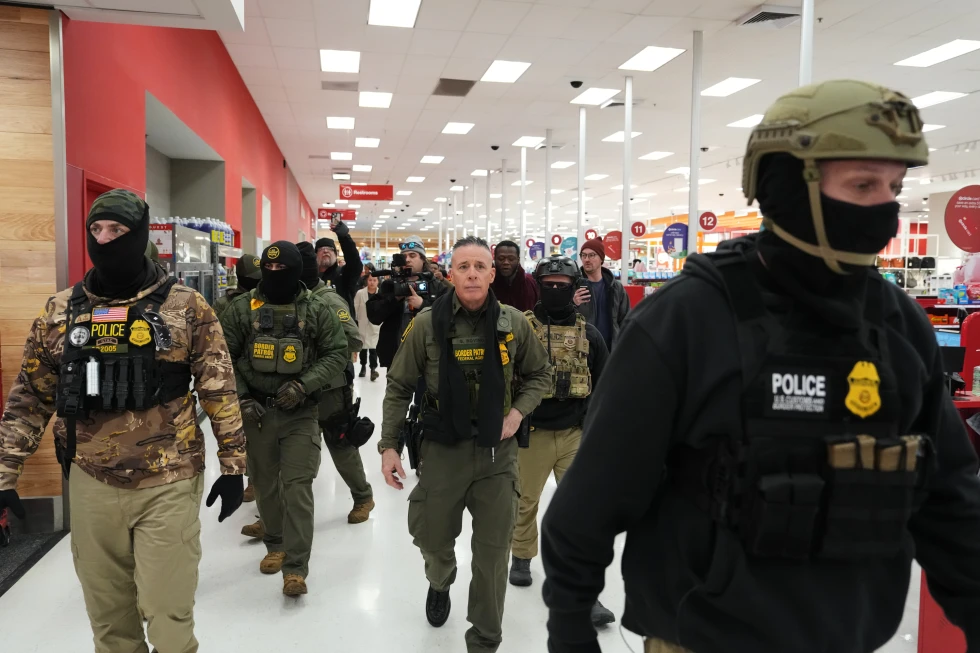
Concerns are not unfounded; immigrants working in various industries have faced heightened scrutiny, and recent viral videos captured federal agents detaining employees in public spaces like Target, indicating that raids are not limited to factory floors.
Legal Landscape for ICE Operations
ICE has the authority to enter public areas of businesses without a warrant, meaning they can question and potentially arrest individuals in dining areas, parking lots, and shopping aisles. This pervasive tactic has raised alarms among labor and immigration rights advocates.
Access to private areas, however, typically requires a judicial warrant, contrasting with administrative warrants which can be more easily issued. Critics argue that current practices are redefining legal boundaries and potentially undermining constitutional rights.
Employer Responsibilities and Rights
Employers, while navigating these daunting regulatory landscapes, are encouraged to educate staff on their rights and local policies during ICE interactions. Some businesses have begun to implement proactive measures such as labeling private areas and enforcing protocols during ICE checks.
The pushback from smaller business owners has been vocal, leading to calls for larger corporations to adopt more transparent stances against such enforcement activities.
Public Response and Activist Involvement
The growing public outcry over aggressive immigration tactics at businesses has put pressure on companies to respond. Minneapolis-based Target, once silent, faces demands from activists to take a public stance against ICE's operations affecting their employees.
Labor unions and worker advocacy groups have openly criticized ICE's activities, citing the adverse effects on the workforce and overall business environments. The Culinary Union and United Auto Workers have both voiced solidarity with affected employees and called for a reevaluation of ICE's conduct.
As this landscape continues to evolve, businesses must carefully navigate the intersection of legal obligations, employee rights, and community expectations, signaling a critical moment in the ongoing discourse surrounding immigration enforcement in America.