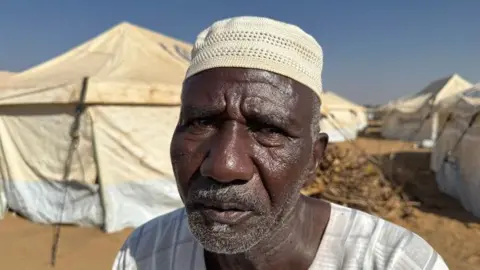
I rode away on a camel with my grandmother, along a sandy road, and I started to cry. Ayish Younis is describing the worst moment of his life – he still regards it as such, even though it was 77 years ago, and he's lived through many horrors since.
It was 1948, the first Arab-Israeli war was raging, and Ayish was 12. He and his entire extended family were fleeing from their homes in the village of Barbara, renowned for its grapes, wheat, corn, and barley, in what had been British-ruled Palestine.
We were scared for our lives, Ayish reflects. On our own, we had no means to fight the Jews, so we all started to leave.
The camel took Ayish and his grandmother to an area that became known as the Gaza Strip. It was then occupied by Egyptian forces and was home to around 200,000 of the 700,000 Palestinians displaced during the 1948-49 war.
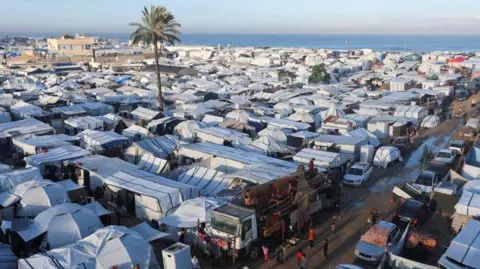
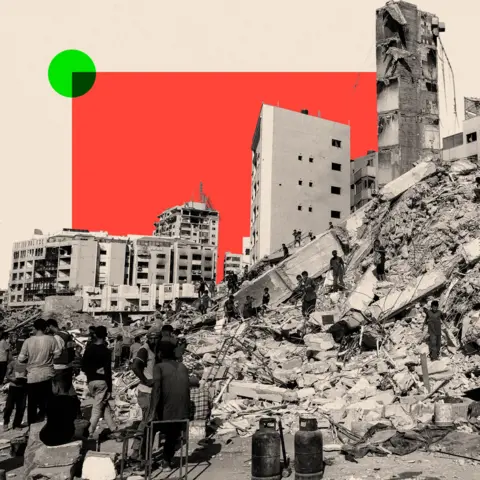
Ayish's life has come full circle; once again, now at 89, he lives in a tent near Khan Younis. Having evacuated his destroyed home amid the ongoing war between Israel and Hamas, he contemplates the challenges facing him and the future of Gaza.
Despite a recent ceasefire agreement, Ayish harbors bleak prospects for reconstruction, stating, I don’t believe Gaza has any future. His sentiment echoes the sentiments of many families residing in camps with limited access to resources.
Ayish's greatest desire is to return to Barbara and taste the fruit of his youth one last time. However, as he reflects on his situation, he can't help but voice despair, questioning whether Gaza can ever be rebuilt amid such extensive infrastructure damage and social trauma.