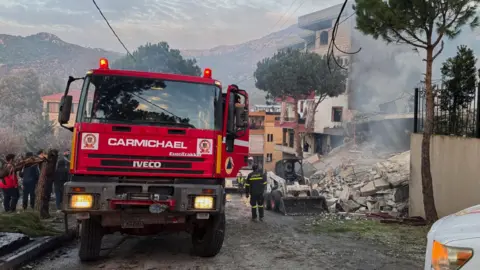
The Israeli military has carried out a new round of air strikes in southern Lebanon, less than a day after Israel and Lebanon held their first direct talks in decades. Residents of the towns of Mjadel, Baraachit, Jbaa and Mahrouna were told to evacuate areas around locations that the Israeli military alleged were weapons warehouses belonging to the Iranian-backed group. No casualties have been reported.
An Israeli military spokesman stated that the sites constituted a ceasefire violation and warned that operations would continue to remove any threat to Israel. Israel has carried out near-daily strikes on Lebanon since a ceasefire took effect in November 2024, following 13 months of conflict.
There was no immediate comment from Lebanon's leaders regarding Thursday's strikes. Lebanese politicians have previously condemned similar actions as ceasefire violations. Under the first phase of a deal brokered by the US and France, Israeli troops were to withdraw from southern Lebanon while Hezbollah was to remove its fighters and weapons from south of the Litani river, about 30km (20 miles) from the border with Israel - a plan that faces opposition from the group and its allies.
Israel has maintained positions at several strategic border sites and intensified airstrikes in recent weeks. This escalation is attributed to Hezbollah's attempts to rebuild its military infrastructure, coupled with the perceived limited actions by the Lebanese government to disarm the group.
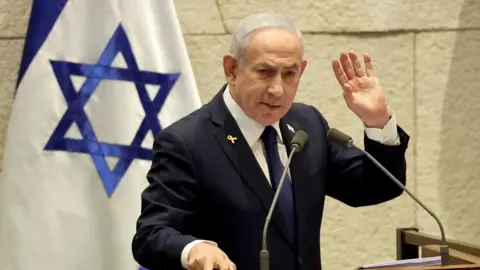
Thursday's strikes came less than 24 hours after Israel and Lebanon sent civilian envoys to the Lebanese border town of Naqoura for their first direct talks in decades. The discussions, facilitated by the UN peacekeeping mission Unifil, were aimed at defusing tensions, although issues regarding Hezbollah's disarmament were emphasized by Israeli Prime Minister Benjamin Netanyahu.
Lebanese Prime Minister Nawaf Salam expressed caution, indicating that Lebanon's priorities centered on halting hostilities, securing the release of detainees, and ensuring Israel's full withdrawal from its territory. The recent military actions coincide with a visit by a UN Security Council delegation to review the progress of the ceasefire's implementation.
An Israeli military spokesman stated that the sites constituted a ceasefire violation and warned that operations would continue to remove any threat to Israel. Israel has carried out near-daily strikes on Lebanon since a ceasefire took effect in November 2024, following 13 months of conflict.
There was no immediate comment from Lebanon's leaders regarding Thursday's strikes. Lebanese politicians have previously condemned similar actions as ceasefire violations. Under the first phase of a deal brokered by the US and France, Israeli troops were to withdraw from southern Lebanon while Hezbollah was to remove its fighters and weapons from south of the Litani river, about 30km (20 miles) from the border with Israel - a plan that faces opposition from the group and its allies.
Israel has maintained positions at several strategic border sites and intensified airstrikes in recent weeks. This escalation is attributed to Hezbollah's attempts to rebuild its military infrastructure, coupled with the perceived limited actions by the Lebanese government to disarm the group.
Thursday's strikes came less than 24 hours after Israel and Lebanon sent civilian envoys to the Lebanese border town of Naqoura for their first direct talks in decades. The discussions, facilitated by the UN peacekeeping mission Unifil, were aimed at defusing tensions, although issues regarding Hezbollah's disarmament were emphasized by Israeli Prime Minister Benjamin Netanyahu.
Lebanese Prime Minister Nawaf Salam expressed caution, indicating that Lebanon's priorities centered on halting hostilities, securing the release of detainees, and ensuring Israel's full withdrawal from its territory. The recent military actions coincide with a visit by a UN Security Council delegation to review the progress of the ceasefire's implementation.