In brief
The 98th Academy Awards, highlighted by Paul Thomas Anderson's 'One Battle After Another' winning best picture, reflected a world rife with conflict and uncertainty. Host Conan O'Brien's monologue emphasized resilience and optimism, embodying the spirit of a night that felt both celebratory and critical. With significant wins for films addressing pressing social issues, this year's Oscars marked a moment of introspection on Hollywood's role in today's turbulent landscape.
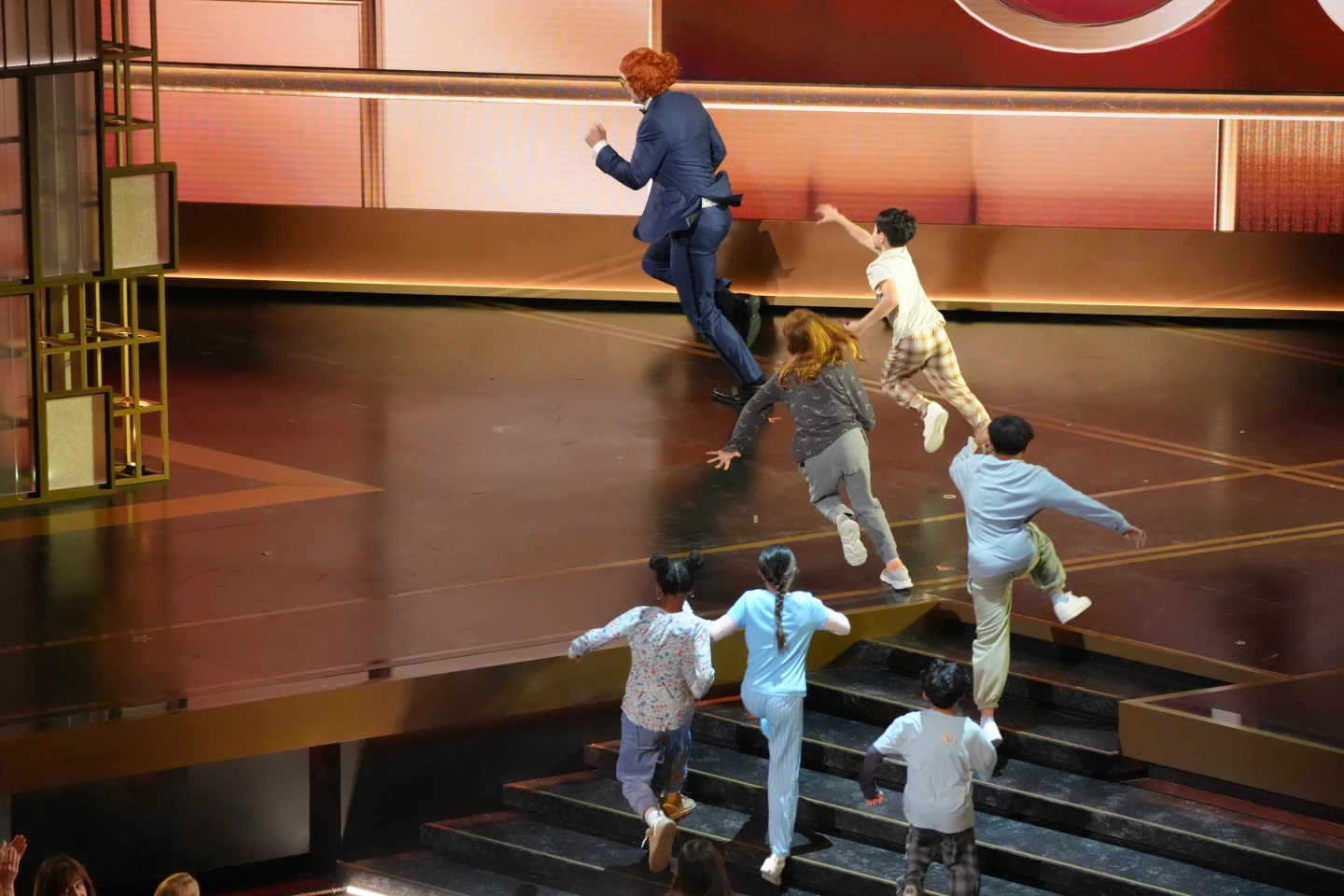
LOS ANGELES (OnPoint) — A sea of children flocked to the stage alongside host Conan O’Brien in the opening moments of the 98th Academy Awards, evoking the innocence and future hopes of a generation. As the evening progressed, the air was thick with reflections on global conflicts and the evolving landscape of cinema amidst an advancing artificial intelligence era. The awards felt like a necessary rally for optimism in the face of a world marred by war and political unrest.
In his opening monologue, O’Brien captured the essence of the night: “We pay tribute tonight, not just to film, but to the ideals of global artistry, collaboration, patience, resilience and that rarest of qualities today — optimism.” His words set the tone for an evening not only dedicated to celebrating cinematic achievements but also acknowledging the resilience of the human spirit hopeful for change.
The winners reflected the tumultuous state of our times, with Paul Thomas Anderson’s 'One Battle After Another' taking home six Oscars, including best picture. This gripping narrative of revolution and social issues resonated with audiences, delivering a poignant message about contemporary struggles.
Unlike the last time the Oscars were held in the shadow of war, which was shortly after the start of the Iraq War in 2003 when 'Chicago' won, this year's ceremony echoed more deeply with themes of modern crises.
Anderson, still reeling from his major win, noted the film's relevance to current events. “Our film obviously has certain parallels to what’s happening in the news every day,” he confessed backstage, emphasizing the importance of bringing ’common sense and decency’ back into fashion.
Hollywood's Adaptation
The 98th Oscars depicted Hollywood in a state of flux, with stories at the forefront that mirrored the anxieties and aspirations of a society navigating uncertain waters. As films like 'Sirāt' and 'It Was Just an Accident' highlighted the shifting narrative trends, Anderson’s triumph and the four award wins for 'Sinners', directed by Ryan Coogler, marked a pivotal moment for bid-budget American cinema. The acknowledgment of Autumn Durald Arkapaw becoming the first Black woman to win for best cinematography, showcased the evolving diversity within the industry.
Warner Bros. made headlines by earning an impressive 11 Oscar nominations, raising speculation about the future of the studio in the face of ongoing acquisitions within the industry. David Zaslav, the CEO, heralded a 'remarkable moment' for the studio as it gears up for an unprecedented merger.
Personal Takes on Political Themes
While many winners opted for subtle allusions rather than direct critiques, a notable exception was Javier Bardem, who firmly addressed the audience with a call against war. Documentaries such as 'Mr. Nobody Against Putin' showcased the personal perspectives of individuals affected by global struggles, and Jessie Buckley, awarded for her role in 'Hamnet', poignantly reflected on a future filled with hope amidst chaos.
Ultimately, this year’s Academy Awards served not just as a recognition of cinematic brilliance but as a profound commentary on the state of the world, leaving audiences with a lingering question about the kind of future to expect. As Anderson encapsulated during his speech, it is vital for art to respond to reality, underlining the need for 'common sense and decency' in today's changing landscape.