In the remote regions of South Africa, a biodiversity hotspot is experiencing a significant increase in the illegal trade of its unique succulent plant species. Organized crime groups are exploiting the high global demand for these plants, endangering both the environment and local communities’ wellbeing. A livestock farmer in the area expressed her frustration to the BBC, stating, "They've not just stolen our land or our plants, they've stolen our heritage as well," highlighting the broader implications of the poaching crisis.
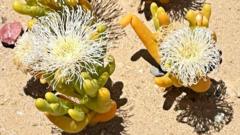
Most of the plants targeted in this illegal trade are succulents, known for their water-retaining capabilities suited to arid climates. The Succulent Karoo desert, which spans both South Africa and Namibia, is home to many of these species, which vary in size, shape, and color. Some of these succulents, resembling colorful buttons or cacti, are native to this unique habitat and cannot be found anywhere else in the world. While these plants can be cultivated in nurseries, the rising international demand has driven many to seek out wild specimens, leading to rampant poaching.
Kamieskroon, located within South Africa's Namaqualand region, has turned into a hotspot for poachers. According to Pieter van Wyk, a nursery curator, the situation is dire; seven succulent species have already become extinct due to poaching, with more species at risk. The NGO Traffic reported that between 2019 and 2024, South African authorities seized 1.6 million illegally harvested succulents, indicating that the real figures are likely much higher.
In response to the mounting crisis, the South African government announced a strategy in 2022 focusing on community education about environmental protection. However, the surge in demand for wild plants coincided with the global COVID-19 pandemic, which restricted international travel but increased online plant sales. Many local residents turned to collectors, exacerbating the poaching issue as organized crime syndicates took advantage of economic vulnerabilities.
Malinda Gardiner from Conservation South Africa pointed out the dangerous social implications of this illicit trade, noting it has led to increased alcohol and drug abuse within communities, as young men engage in poaching for quick cash. "There is always an influx of money in my community when poaching occurs... it brings distrust and divisions among people," shared an anonymous local farmer.
To combat this, various conservation efforts have emerged, including educational campaigns in places like China, which has recently become a significant buyer of wild succulents. The Clean Internet for Conophytum campaign reportedly led to an 80% reduction in suspicious online advertisements, prompting buyers to verify the origins of plants.
Conservationists urge customers worldwide to refrain from purchasing wild succulents and instead focus on obtaining cultivated varieties legally. Efforts are ongoing, with projects like a partnership between Traffic and UK's Kew Gardens, aimed at preventing the online sale of poached succulents.
Mr. van Wyk stresses the need for South Africa to capitalize on its biodiversity sustainably, suggesting that the country should promote the legal cultivation of these plants for economic benefit, rather than allowing organized crime to flourish. "We have this resource, and other countries are benefiting from it. Why aren’t we?" he questioned.
Despite the challenges, Mr. van Wyk, who operates a nursery taking care of confiscated plants, finds solace in their beauty and diversity, providing a glimmer of hope in a troubling situation.