In brief
Despite a devastating civil war and widespread famine affecting millions, Sudan's gold trade has surged, with military and paramilitary groups profiting immensely while the civilian population suffers.
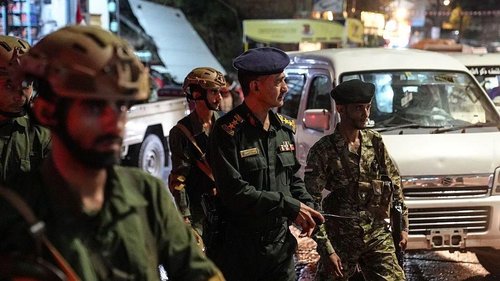
In April 2023, amidst the ruins of Khartoum's once-active markets, soldiers from Sudan's military moved through districts ravaged by a brutal conflict with the Rapid Support Forces (RSF) paramilitaries. The scene paints a grim picture of a country plunged deep into civil war, characterized by famine and atrocities, yet the gold industry thrives—stirring further violence and corruption.A recent incident highlighted the extent of this illicit trade. A luxury private jet touched down in Juba, South Sudan, carrying representatives from an RSF faction known for its role in ethnic purging during the Sudanese civil war. The aircraft was loaded with hundreds of pounds of gold, smuggled from the Darfur region—an area plagued by starvation and terror due to the RSF's ruthless control. This gold was valued at approximately $25 million, illustrating the lucrative nature of the sector even amidst chaos.Just an hour and a half later, the jet departed for the United Arab Emirates, where its precious cargo vanished in the global market. The gold rush highlights an alarming irony: while Sudan endures one of the worst famines on record, with 26 million people at risk of starvation, the exploitation of its natural resources continues unabated.This gold production not only survives but surpasses prewar levels, driven by a pervasive culture of smuggling that thrives in this war-torn environment. As soldiers fight for control of these lucrative resources, they also join the ranks of untouchable elites, further entrenching a cycle of violence that leaves ordinary Sudanese in deeper peril. As countries and organizations contemplate intervention or support, the stark contrast between the prosperity of the gold trade and the suffering of the Sudanese people raises significant ethical questions about the ongoing conflict and international complicity.