
In brief
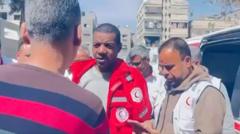
Assad al-Nassasra, a paramedic with the Palestinian Red Crescent Society (PRCS), has been released after over a month in Israeli detention, as confirmed by the organization. According to reports, al-Nassasra was taken into custody during a deadly Israeli attack in late March that resulted in the deaths of 15 emergency workers, among them eight PRCS paramedics. His disappearance lasted three weeks until the International Committee of the Red Cross intervened and disclosed his location. He was one of a group of detainees released at an Israeli border crossing with Gaza.
The circumstances surrounding the attack remain contentious. An internal Israeli military inquiry referenced "professional failures" leading to the killings, but the PRCS denounced this report, deeming it an attempt to justify what they claim to be a war crime. Since the onset of the war in Gaza, initiated by Israel's response to a cross-border attack in October, hostilities have escalated dramatically, resulting in widespread casualties and humanitarian crises.Amidst this backdrop, the Israeli military has faced increasing scrutiny regarding its engagement rules, particularly concerning medical personnel. During the conflict, at least 52,365 lives have been lost in Gaza, as reported by local health authorities, highlighting the urgency for accountability and humanitarian intervention.As the situation continues to evolve, the international community remains alert to the risks of further destabilization and the need for a resolution to prevent a complete humanitarian breakdown.The PRCS, in the face of increasing violence, emphasizes the vital role of medical teams in war zones, urging for adherence to international humanitarian laws that protect these essential services during conflicts.In addition to the troubling context of the paramedic's release, ongoing reports indicate that at least ten people were killed in Israeli strikes across various locations in Gaza, exacerbating fears for the civilian population facing dire shortages of basic necessities such as food and medical supplies.As the humanitarian crisis deepens, calls for action and accountability grow louder, urging a pause in military actions to allow for essential humanitarian relief efforts and protect the lives of innocent civilians caught in the line of fire.
