In brief
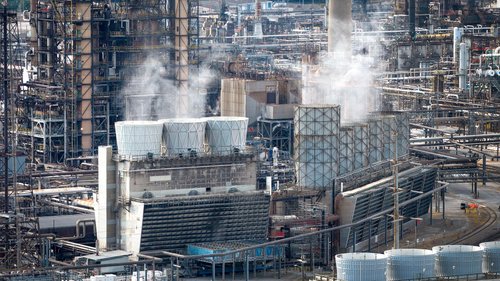
Iran is grappling with a tumultuous emotional landscape following American military strikes that severely impacted its nuclear installations. Reports from four government officials paint the atmosphere in Tehran as one fraught with humiliation and defeat, igniting debates about the nation’s response strategy. Despite these challenges, state media endeavors to showcase daily life as ongoing, revealing a stark contrast to the underlying tension.
On Sunday, President Masoud Pezeshkian endeavored to reassure the public amid the crisis, participating in an anti-U.S. demonstration and visiting hospitals to support victims of the attacks. His discourse emphasized national resilience, even as the reality reflected a significant setback, particularly at key nuclear sites like Fordo, Natanz, and Isfahan. Satellite imagery reveals serious damage at the Fordo facility, an unsettling sight for leaders struggling to maintain an appearance of strength.Hamid Hosseini, a member of Iran's Chamber of Commerce energy committee, voiced concerns over the military and technological disadvantage, advocating for prioritizing national interests over perpetual conflict. “We are not supposed to be at war forever,” he asserted, encapsulating a sentiment that resonates amid rising public frustration.As Pezeshkian reiterated his commitment to protecting the nation, many citizens continue to experience the tangible effects of the military escalation. The emotional toll on the populace is steep, yet officials remain committed to projecting an image of unity and resilience to both their citizens and the international community.