Morocco is currently building what will be the globe's largest football stadium in preparation for co-hosting the 2030 World Cup. But for the demonstrators who have taken to the streets each night across the country since last Saturday, this 115,000-capacity showpiece and all the other football infrastructure in development, costing a reported $5bn (£3.7bn), are an affront - an example of a government that has got its priorities wrong.
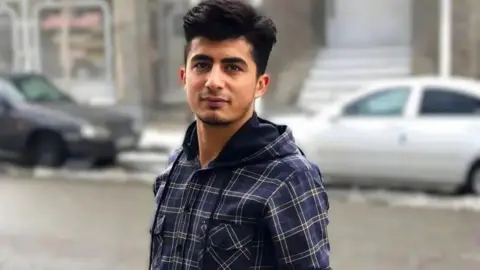
'I am protesting because I want my country to be better. I don't want to leave Morocco, and I don't want to resent my country for choosing to stay,' says Hajar Belhassan, a 25-year-old communications manager from Settat, 80km (50 miles) south of Casablanca.
A group called Gen Z 212 - the number is a reference to the country's international dialling code - has been coordinating the demonstrations through the gaming and streaming platform Discord, as well as TikTok and Instagram. Apparently taking inspiration from Nepal's recent Gen Z protests, the young Moroccans want the authorities to act with the same urgency and passion when it comes to addressing these issues as with hosting one of the world's premier sporting events.
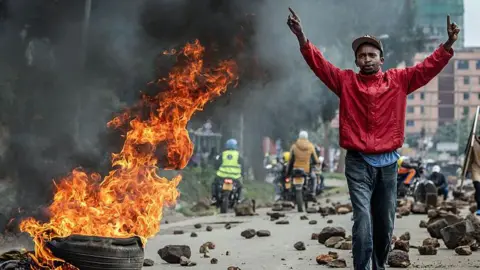
Starting on 27 September with protests across 10 cities, the crowds have been building through the week, chanting slogans such as: 'No World Cup, health comes first' and 'We want hospitals not football stadiums.' The police have responded with seemingly arbitrary mass arrests and in certain places things have turned violent, leading to the death of three protesters.
Prime Minister Aziz Akhannouch said on Thursday that he was open to dialogue, but the leaderless movement has vowed to keep going until there is concrete change. A list of their demands has been shared on social media, including free and quality education, accessible public healthcare, decent housing, and job opportunities for youth.
Anger had been growing, but what galvanised the movement was the death over a number of days in mid-September of eight women in a maternity ward in a hospital in the southern city of Agadir. These tragic events highlighted the deficiencies in Morocco's healthcare system, which suffers from a severe shortage of doctors and adequate facilities.
The protests demonstrate a deep-seated frustration among young Moroccans who feel neglected by a government prioritizing sports infrastructure over essential social services. Despite violence and arrests, the youth continue to call for critical reforms, emphasizing the necessity of healthcare and education for a thriving future.
'I am protesting because I want my country to be better. I don't want to leave Morocco, and I don't want to resent my country for choosing to stay,' says Hajar Belhassan, a 25-year-old communications manager from Settat, 80km (50 miles) south of Casablanca.
A group called Gen Z 212 - the number is a reference to the country's international dialling code - has been coordinating the demonstrations through the gaming and streaming platform Discord, as well as TikTok and Instagram. Apparently taking inspiration from Nepal's recent Gen Z protests, the young Moroccans want the authorities to act with the same urgency and passion when it comes to addressing these issues as with hosting one of the world's premier sporting events.
Starting on 27 September with protests across 10 cities, the crowds have been building through the week, chanting slogans such as: 'No World Cup, health comes first' and 'We want hospitals not football stadiums.' The police have responded with seemingly arbitrary mass arrests and in certain places things have turned violent, leading to the death of three protesters.
Prime Minister Aziz Akhannouch said on Thursday that he was open to dialogue, but the leaderless movement has vowed to keep going until there is concrete change. A list of their demands has been shared on social media, including free and quality education, accessible public healthcare, decent housing, and job opportunities for youth.
Anger had been growing, but what galvanised the movement was the death over a number of days in mid-September of eight women in a maternity ward in a hospital in the southern city of Agadir. These tragic events highlighted the deficiencies in Morocco's healthcare system, which suffers from a severe shortage of doctors and adequate facilities.
The protests demonstrate a deep-seated frustration among young Moroccans who feel neglected by a government prioritizing sports infrastructure over essential social services. Despite violence and arrests, the youth continue to call for critical reforms, emphasizing the necessity of healthcare and education for a thriving future.