In brief
As Prime Minister Mark Carney aims to revitalize Canada's economy through ambitious infrastructure projects, Indigenous leaders assert the need for consultation and respect for their ancestral lands, raising questions about the future of these proposed developments.
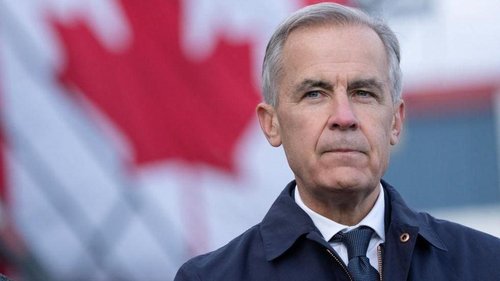
Prime Minister Mark Carney's bold economic initiative, dubbed "Build, baby, build," seeks to fast-track a series of national infrastructure projects aimed at strengthening Canada's economy and reducing dependence on the United States. In his victory speech following the April elections, Carney promised to revitalize initiatives including oil pipelines, nuclear plants, and transportation networks to promote Canada’s position as an energy superpower.However, this rapid growth ambitions face critical pushback from Indigenous communities who argue that such developments will encroach upon their ancestral lands. As past experiences have shown, Indigenous voices often remain sidelined in state-driven nation-building discussions, a trend that leaders like Dave Petiquay from the Atikamekw First Nations in Quebec are determined to change. Petiquay emphasizes the necessity for government transparency and consultations when planning developments that impact their territories."We expect to be involved in decisions concerning our land," he stated, highlighting a shift towards reconciliation that the government must acknowledge. Indigenous groups are now insisting on a seat at the decision-making table, perhaps even demanding veto power on projects that could affect their way of life.As Canada stands on the brink of a potential economic overhaul under Carney’s leadership, the unresolved tensions over land rights and Indigenous sovereignty could remain a significant hurdle to the government's ambitious infrastructure plans. The path forward may require more than just a commitment to building; it calls for meaningful engagement and partnership with the First Nations, ensuring that their rights and perspectives are integral to Canada’s economic future.