In brief
In northern Yemen, Saudi airstrikes struck a market in Al‑Hazm and a fuel station in Al‑Tayseer, killing 14 people and wounding 10, according to the Houthi‑controlled Al‑Masirah TV. The casualty figures remain preliminary and have not been verified by Saudi officials. The attacks add to ongoing cross‑border clashes and heavy fighting between the Houthis and Saudi‑backed forces.
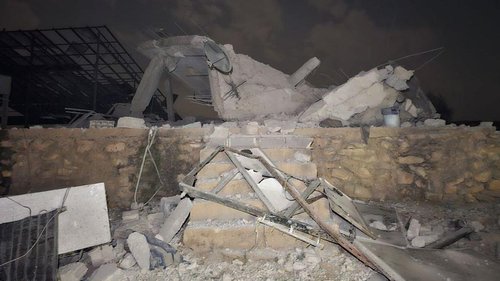
Saudi coalition aircraft carried out a series of airstrikes on Wednesday that hit a public market in Al‑Hazm and a fuel station in Al‑Tayseer in Yemen’s Al‑Jawf province, a media outlet controlled by the Houthi movement reported that 14 people were killed and 10 injured.
The strikes, which occurred during the afternoon local time, struck the heart of Al‑Hazm’s commercial district, while a separate attack targeted the fuel depot just outside the city limits. The two incidents combined, according to the Houthi media source, caused the reported deaths and injuries.
The casualty count – 14 fatalities and 10 wounded – was stated as containing “mainly women and children.” Sources behind the report indicated that the figure was a preliminary tally and that a higher number could emerge as investigations began in the affected areas.
Al‑Masirah TV, the Houthi‑run channel that first published the figures, said the latest toll had risen from an earlier count of 12 deaths. The outlet added that the numbers could not yet be verified by independent observers and that no immediate statement had been issued by Saudi officials.
So far, no comment has appeared from the Saudi-led coalition regarding the strike or the casualty figures. The lack of a response has left observers uncertain about the coalition’s verification processes or any potential UN inquiries that might follow.
These attacks take place amid persistent cross‑border combat operations that have been ongoing for several years. The region has seen repeated strikes launched from Saudi territory into Yemen’s northern provinces, with the Houthi movement – which controls large portions of the country – frequently accusing the coalition of targeting civilians.
The clash is part of a broader confrontation between the Houthi rebels and forces loyal to the internationally recognized Yemeni government. Saudi Arabia supplies the latter with air power and ground support, while the Houthis are backed by Iran, according to international assessments of the proxy dimension of the war.
Yemen has been embroiled in civil strife since late 2014, when the Houthi uprising seized the capital, Sanaa, and a swath of the north. In 2015 the Saudi‑led coalition launched a military intervention in support of the Yemeni government, leading to a protracted conflict that has devastated the country’s economy and civilian infrastructure.
The new casualty numbers raise unanswered questions. How will local authorities confirm the figures? Will independent humanitarian monitors be allowed to assess the sites? How might the repositioning of the coalition’s strategy affect future operations in Al‑Jawf province?
Experts point out that the absence of confirmation from Saudi sources could influence the international community’s response. Human rights groups may push for investigations, while diplomatic channels might use the event as leverage to intensify or de-escalate the conflict. The next few days could bring new data that either corroborate or revise the preliminary reports, shaping the narrative of the war’s toll on civilians.