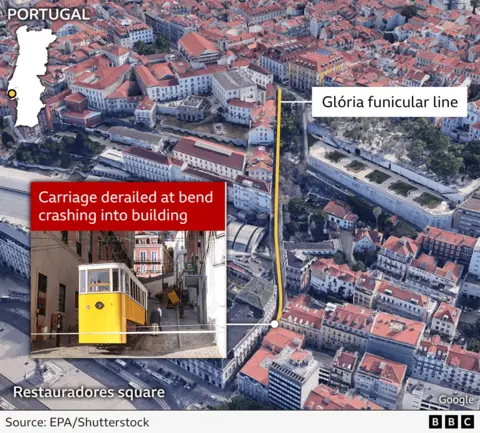
A carriage on one of Lisbon's most iconic tourist attractions, the Glória funicular railway, derailed and crashed on September 3. The popular tram-like form of transport, designed to travel up and down steep slopes, had its tragic moment at around 18:15 (17:15 GMT) near Avenida da Liberdade.
Portuguese authorities confirmed that 16 people were killed, revising earlier reports that indicated a death toll of 17. Investigations are currently ongoing to establish the cause of the derailment, which reportedly involved a loose cable that caused the tram to lose control and collide with a nearby building.
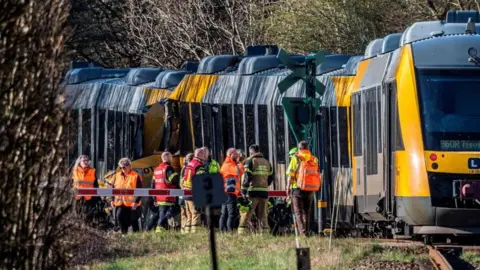
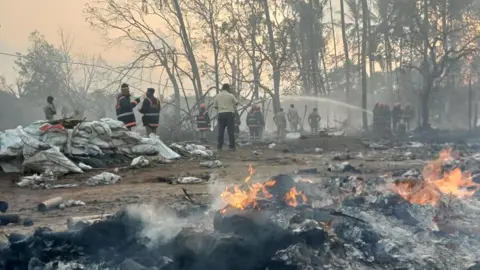
Emergency services quickly responded, deploying over 60 personnel and 22 vehicles to the scene, where they faced chaotic conditions as smoke filled the area and survivors attempted to escape from the wreckage. Eyewitness accounts describe scenes of panic as people jumped from the windows of the funicular.
The final confirmed death toll includes five Portuguese, three Britons, two South Koreans, two Canadians, an American, a French, a Ukrainian, and a Swiss national. Of the survivors, 23 injuries were recorded with six individuals requiring intensive care.
Lisbon Mayor Carlos Moedas declared three days of mourning for the victims, with expressions of condolences coming in from political leaders across Europe, reflecting the widespread shock at this tragic event. The Glória funicular is not just a tourist attraction but a vital transport link for residents navigating Lisbon's hilly terrain, adding a complex layer of grief to this significant loss.
As investigations continue, officials from Carris, the company operating the funicular, emphasized their commitment to identifying the accident's causes, assuring the public of their adherence to maintenance protocols. The community reflects on the implications of this tragedy, mourning not only the loss of life but also the disruption to a cherished means of transportation.