In brief
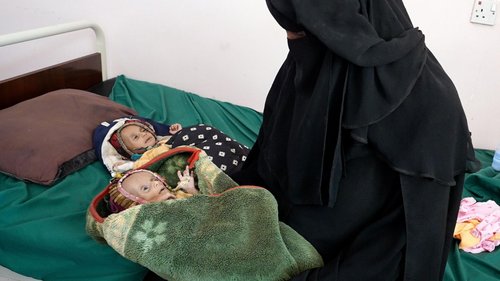
The U.N. Secretary-General has issued a stark warning about the consequences of significant aid cuts that could lead to starvation for thousands of Rohingya refugees in Bangladesh.
In a sprawling camp at Cox's Bazar, the world’s largest refugee settlement, officials report impending food shortages as crucial aid cuts loom. Starting April, individuals in the Rohingya refugee community will receive only a meager monthly allowance consisting of 18 pounds of rice, two pounds of lentils, a liter of cooking oil, and a pinch of salt. This drastically low provision calls into question the basic survival of over a million residents.The Trump administration's recent freeze on assistance has complicated humanitarian efforts. With various global conflicts growing more severe and many aid organizations struggling to backfill the economic gap left by a diminished U.S. presence, the ramifications are dire. Concurrently, several European nations are redirecting funds to bolster military efforts rather than humanitarian initiatives, raising fears of a widespread crisis. During his visit to the camp, U.N. Secretary-General António Guterres underscored the precarious situation. “With the announced cuts in financial assistance, we are facing the dramatic risk of having only 40 percent in 2025 of the resources available for humanitarian aid in 2024," he stated, stressing the imminent risks of hunger and loss of life. The situation in Cox's Bazar has reached a pivotal moment; officials emphasize that without immediate intervention, the consequences of these cuts could lead to widespread suffering and devastation within the refugee community.