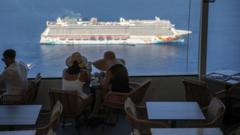
As February marks the beginning of the unofficial tourist season on Santorini, preparations are underway for the influx of visitors brought in by cruise ships and the Easter holidays. However, the island is currently experiencing a seismic crisis, with thousands of earthquakes occurring since January. This worrying trend has prompted growing fears among local hoteliers and businesses about the sustainability of their tourism-dependent economy.
Antonis Pagonis, president of Greece's Association of Hoteliers, reported a noticeable drop in reservations in the past few days, adding that he hopes this decline is temporary. The concern is not only about potential visitors choosing alternative destinations but also about the seasonal workers who come to support the tourism industry. Santorini's permanent population of just over 15,000 relies significantly on seasonal employees to cater to nearly 70,000 daily visitors during peak times.
For many, like bartender Manos, the ongoing earthquakes have led to a reassessment of their summer plans. Although he acknowledges the island's history of seismic activity, the uncertainty about potential tourist numbers has made him opt for work in Corfu instead of returning to Santorini. "If the season is weak, I might not make as much money," he stated.
The need for temporary labor extends to construction workers as well. Typically in demand at this time of year for hotel refurbishments before summer, construction efforts have stalled due to safety concerns related to the earthquakes. Hotel owners are urging the government to provide financial support for workers whose employment is affected by the postponement of building projects.
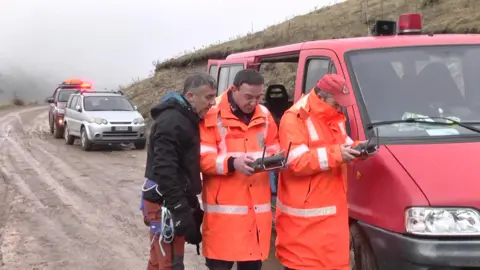
Greece's authorities have acted swiftly to address the situation, deploying rescue teams and declaring a state of emergency in a bid to ensure aid reaches those affected. Nevertheless, many in the tourism industry stress the importance of long-term investments in infrastructure, contending that any immediate earthquake-related challenges won't vanish once the tremors cease.
Margarita Karamolegkou, a local hotel owner, expressed the urgency for improvements, emphasizing the need for a new port amidst rising visitor numbers. She and other hoteliers advocate for stricter safety regulations for private rentals, concerned that they may not meet the same standards as established hotels.
Santorini is responsible for approximately 2.5% of Greece's GDP, contributing roughly €5.9 billion annually. Hoteliers have noted a decline in bookings, sparking fears that if the seismic activity continues for another month, the repercussions for businesses could be dire.
Prime Minister Kyriakos Mitsotakis recently acknowledged the island's significance to Greece's tourism sector, promising to protect its reputation as a renowned tourist destination. Karamolegkou remains cautiously optimistic despite the challenges, expressing confidence in her staff and the enduring quality of service her hotels provide, even with potential staffing shortages.
As the island navigates the uncertainty brought by the earthquakes, the cooperation of government entities and local businesses will be crucial in safeguarding Santorini's vital tourism industry.