
In brief
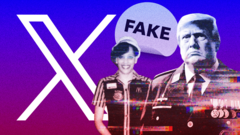
As the U.S. elections approach, users on the social media platform X are reportedly making thousands of dollars by sharing election misinformation and AI-generated images. Networks of users collaborate to amplify misleading content, heavily influencing political narratives. In the absence of strict guidelines, X's monetization structure incentivizes the spread of controversial material, intensifying debates on the integrity of online political discourse.
Article text:In the ongoing U.S. election cycle, users on X, formerly known as Twitter, have discovered a lucrative avenue for income by disseminating election misinformation and AI-generated visuals. This trend has led to reports of individuals earning thousands of dollars through strategic sharing of content that includes dubious claims and unfounded conspiracy theories.An investigation revealed a complex web of accounts actively resharing content to maximize engagement and revenue. These networks include users aligned with various political factions, some openly supporting figures like Donald Trump, while others champion Kamala Harris. According to the BBC's findings, individual users reported earnings ranging from several hundred to several thousand dollars, sharing that they coordinate their posting strategies through private forums and group chats. One anonymous user remarked, “It's a way of trying to help each other out.”The landscape changed on October 9 when X modified its payment structure, moving away from monetization based on ad impressions to a model that rewards engagement from premium users. Consequently, those who manage to create sensational content that attracts likes and comments can significantly boost their income. While many social media platforms maintain strict policies against disseminating misinformation that could harm public discourse, X appears to operate under laxer standards, creating a potential platform for the spread of false narratives at a critical time for democracy in the U.S.The investigation authenticated the reported earnings of several users by comparing their claims against engagement metrics, ensuring the content’s financial viability. The misinformation shared by these networks is alarming; unfounded allegations about election fraud and extreme claims targeting political candidates have gained traction and, in some instances, sparked broader discussions on other platforms.One user, known as Freedom Uncut, spends upwards of 16 hours daily curating and posting content on his channel, claiming to have garnered around 11 million views since ramping up his election-related posts. He has begun to cash in, making a few thousand dollars monthly from X. He reassures that while some of his content is provocative, it is grounded in a semblance of truth. However, he acknowledges that others promote misleading information purely as a “money-maker,” indicating a race toward sensationalism.On the opposing side, accounts like Brown Eyed Susan, which fiercely support Kamala Harris, operate in parallel, overwhelming the platform with thousands of posts without a primary intent to monetize. Susan detailed her experience with high engagement posts, sometimes racking up more than three million views, and noted that her account exploded in popularity unexpectedly. She received a blue verification tick, which allowed her to monetize her contributions, but her focus remains on advocacy rather than profit.A stark illustration of this trend involves the manipulation of images to challenge political narratives. One user, Blake, shared a doctored image allegedly representing Kamala Harris at a fast-food job. He explained he created this piece more as an experiment than a political statement, suggesting that the prevalence of misinformation stems from a collective desire to see narratives that align with individual beliefs rather than the pursuit of truth.X has acknowledged its efforts to combat misinformation through community-driven fact-checking mechanisms and labels on manipulated media. However, the absence of strict punitive measures against misinformation on an influential platform raises critical concerns about the integrity of information that sways public opinion and potentially alters the course of political events.As the home stretch of the election season approaches, the unregulated profit motive on X, combined with a fascinating interplay of misinformation networks, could have profound implications for the landscape of American political discourse. Without intervention, the phenomena observed could significantly influence voter perceptions in an environment already fraught with skepticism towards traditional media and information sources.



