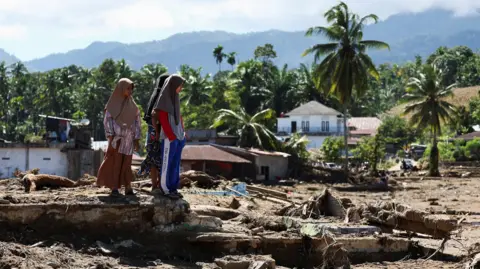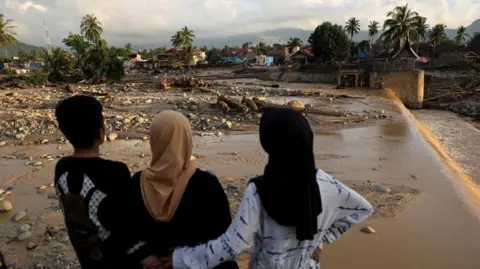
The French Indian Ocean territory of Mayotte is bracing for further turbulence as heavy rains trigger flooding and mudslides following last month's destruction wrought by Cyclone Chido. This recent weather crisis prompted officials to issue the highest state of alert on Sunday, as a new storm, Tropical Cyclone Dikeledi, approached the region.
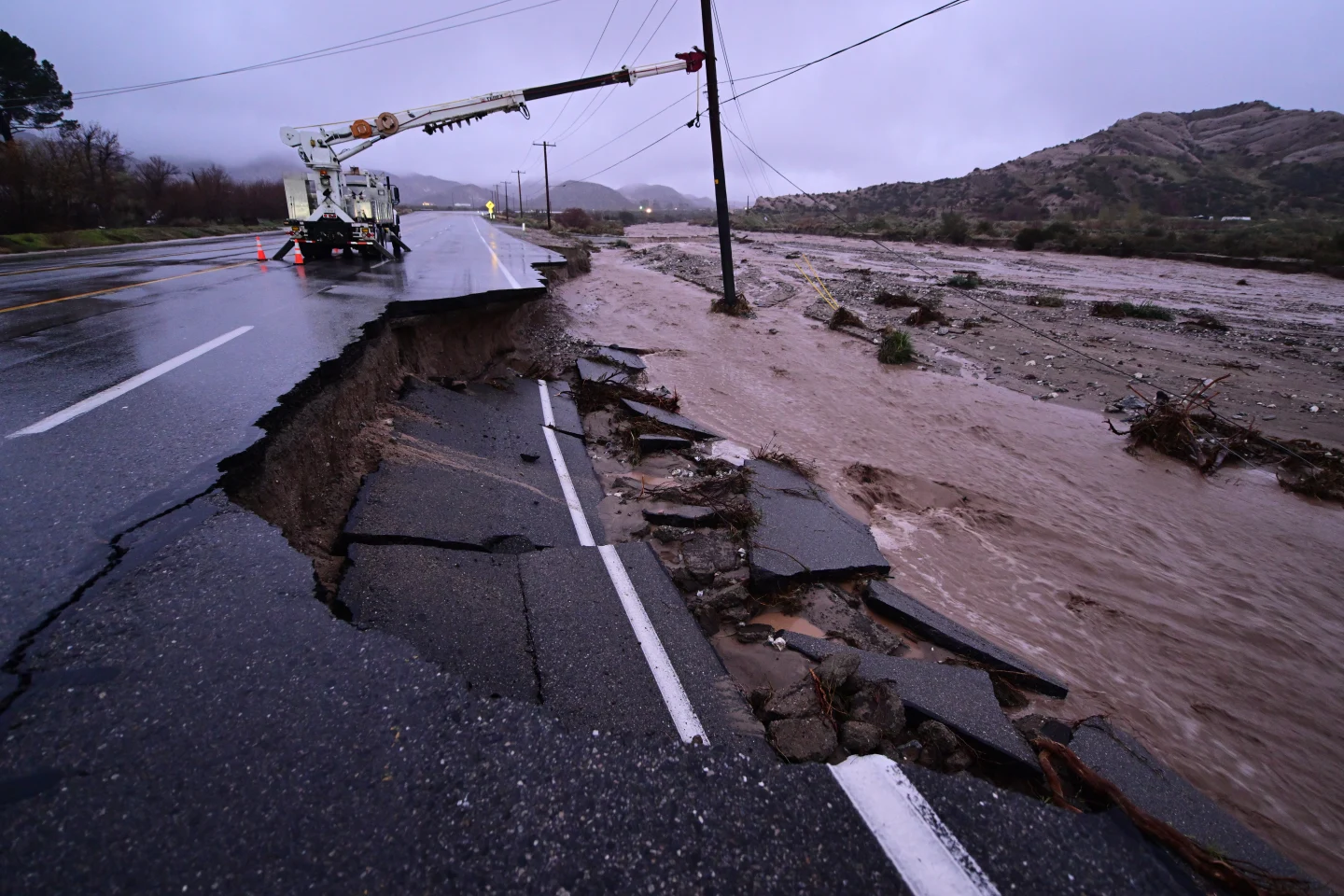
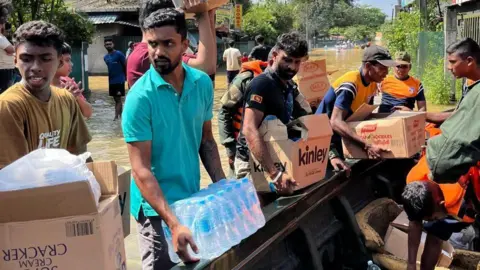
Viral videos on social media depict scenes of devastation with downed power lines and significant flooding, particularly affecting the southern village of Mbouini, which had miraculously remained unscathed during Cyclone Chido's rampage. Dikeledi initially made landfall in northern Madagascar, claiming at least three lives over the weekend.
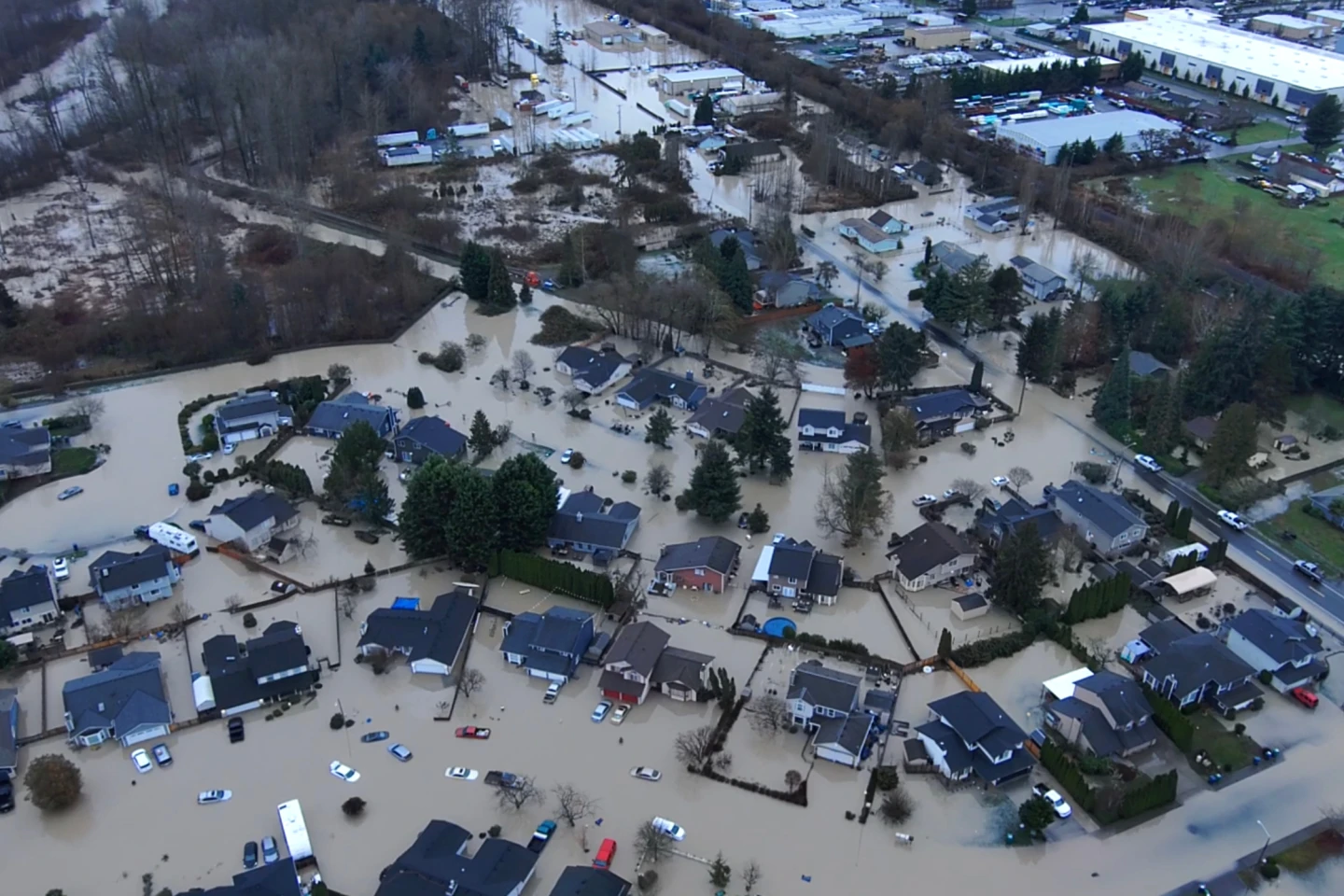
According to Météo-France, the storm passed roughly 100 km (62 miles) south of Mayotte just after 09:00 GMT on Sunday. François-Xavier Bieuville, the prefect of Mayotte, stated that “extremely heavy rains are beginning to trickle down,” leading to floods and substantial mudslides across the territory.
The forecasts indicate that the area will likely remain on red alert until Monday evening due to the anticipation of continued rainfall, even after Dikeledi has moved away. Emergency shelters have been established to accommodate at least 14,500 residents who sought refuge from the storm.
As of Sunday afternoon, Dikeledi was reported to be drifting away from Mayotte, but meteorologists from Météo-France warned that it may intensify into a tropical cyclone within the next 24 hours as it approaches the coast of Mozambique. Current predictions show that while the storm is not expected to make landfall in Mozambique, the Nampula region will likely face severely deteriorating conditions.
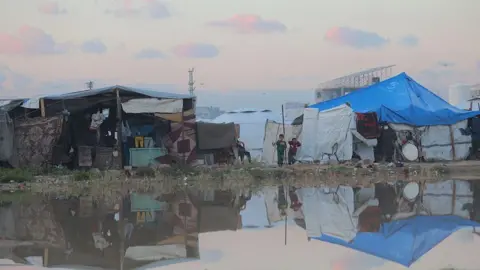
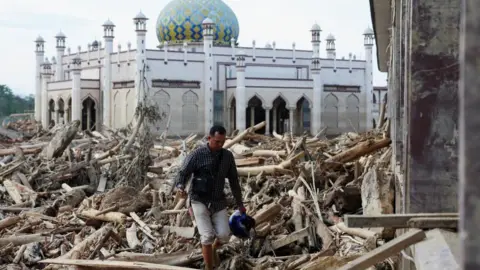
The aftermath of Cyclone Chido is still fresh in many Mayotte residents' minds. The cyclone was marked as the worst storm to strike the region in nearly a century, unleashing winds of up to 260 km/h (160 mph) and decimating shantytowns where many locals live. Although initial reports indicated that the storm resulted in several hundred casualties, the death toll was later adjusted to 39. Mayotte, with a resident count of around 320,000, also houses an estimated 100,000 to 200,000 undocumented migrants, adding to the vulnerability of the population during such disasters.
Viral videos on social media depict scenes of devastation with downed power lines and significant flooding, particularly affecting the southern village of Mbouini, which had miraculously remained unscathed during Cyclone Chido's rampage. Dikeledi initially made landfall in northern Madagascar, claiming at least three lives over the weekend.
According to Météo-France, the storm passed roughly 100 km (62 miles) south of Mayotte just after 09:00 GMT on Sunday. François-Xavier Bieuville, the prefect of Mayotte, stated that “extremely heavy rains are beginning to trickle down,” leading to floods and substantial mudslides across the territory.
The forecasts indicate that the area will likely remain on red alert until Monday evening due to the anticipation of continued rainfall, even after Dikeledi has moved away. Emergency shelters have been established to accommodate at least 14,500 residents who sought refuge from the storm.
As of Sunday afternoon, Dikeledi was reported to be drifting away from Mayotte, but meteorologists from Météo-France warned that it may intensify into a tropical cyclone within the next 24 hours as it approaches the coast of Mozambique. Current predictions show that while the storm is not expected to make landfall in Mozambique, the Nampula region will likely face severely deteriorating conditions.
The aftermath of Cyclone Chido is still fresh in many Mayotte residents' minds. The cyclone was marked as the worst storm to strike the region in nearly a century, unleashing winds of up to 260 km/h (160 mph) and decimating shantytowns where many locals live. Although initial reports indicated that the storm resulted in several hundred casualties, the death toll was later adjusted to 39. Mayotte, with a resident count of around 320,000, also houses an estimated 100,000 to 200,000 undocumented migrants, adding to the vulnerability of the population during such disasters.