In brief
In the aftermath of a brutal civil war, millions of Syrians are yearning to return home, but many find their homes reduced to rubble.
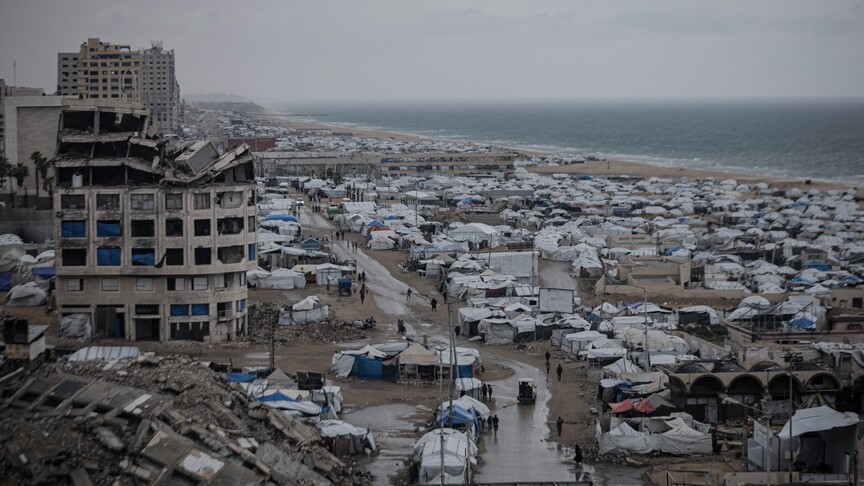
Lubna Labaad, alongside her family, is one among many trying to reclaim their lives in a neighborhood that has witnessed unimaginable destruction. Situated in the heart of Damascus, the Qaboun neighborhood stands as a ghost of its former self, with its landscapes painted in desolation. The only remnant declaring the resilience of its spirit is a mosque, adorned with an inscription from the time of conflict that reads, “Forgive us, oh martyrs.” With the abrupt end of the war following the ousting of President Bashar al-Assad in December, displaced families felt that now was their moment to return. Mrs. Labaad, 26, expressed her long-awaited hope: "We were waiting for that very moment to return." However, hope is intersected with despair, as they discover that their homes have been ransacked, stripped of plumbing and electrical fixtures by soldiers who took shelter there in the absence of the original owners.Syrian society echoes with the plight of over 13 million displaced individuals, as recognized by the United Nations, marking this as one of the largest humanitarian crises of our time. Notably, more than six million have fled the nation, while another seven million remain internally displaced, including families like the Labaads.As the nation attempts to pick up the pieces from years of chaos, the hurdles to restoring normalcy remain steep. Those returning grapple not only with the physical destruction of their homes but also with the emotional scars that linger long after the conflict has ceased.