
In brief
The recent escalation of wildfires in California has prompted an increasing number of residents, like Christina Welch and Jamie Beck Alexander, to leave the state for cities labeled as "climate havens," such as Duluth, Minnesota. While experts warn that climate migration is still localized, the shifting landscape due to severe weather events raises concerns about the preparedness of these havens for incoming populations.
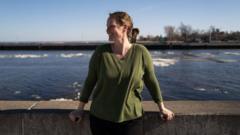
Climate change and violent wildfires have become red flags for Californians, prompting a significant movement toward so-called "climate havens." The fires destroying homes and communities in Los Angeles and beyond are spurring individuals to consider relocating to areas perceived as safer from environmental catastrophes.One such resident, Christina Welch, participated in the 2017 Tubbs fire evacuation, an event that haunted her as ashes rained from the sky near her Santa Rosa home. After enduring multiple evacuations due to destructive wildfires, she made the leap to move across the United States to Duluth, Minnesota, seeking solace from the frequent threats posed by California’s wildfires. Recent wildfires in Los Angeles, causing over 150,000 evacuations and taking the lives of at least 25 people, have raised alarms among local residents and national leaders. Experts suggest that the migration trend may indicate a growing acknowledgment of the dangers associated with climate change, even as the state’s population growth has struggled to keep pace since 2000.Shift changes in climate and housing security loom as Californians contemplate leaving the state, with over 15,000 structures affected by wildfires between 2020 and 2023. Predictions show that by 2100, sea-level rise could put half a million Californians at risk for flooding, revealing a multi-faceted challenge for residents.For those seeking refuge, Duluth presents a different landscape that includes access to the vast resources of the Great Lakes, a feature that appeals to families looking for stability. As Jamie Beck Alexander discovered, the city's strong community connections and commitment to resilience offer a welcome environment for new residents. However, the transition isn’t without its challenges. Housing shortages and rising costs in Duluth present hurdles for newcomers. Experts like Jeremy Porter warn that municipalities may not have the infrastructure to handle an influx of new residents looking to escape climate-related dangers. Reflecting on her experiences, Kelsey Lahr once sought a fresh start in Asheville, North Carolina, believing it a safe haven from natural disasters solely to witness the catastrophic impact of Hurricane Helene. Alongside Ms. Lahr’s sentiments, there exists an understanding that the realities of climate change may render notions of safety deceptive, reminding all that without addressing the root issues of climate change, true refuge may remain elusive.As the challenges of climate migration grow, cities like Duluth may need to prioritize planning for inevitable shifts in population, balancing the need for growth with sustainable practices aimed at keeping climate repercussions at bay.
