In brief
During Michigan's Senate race, Democrat Dan Stevens publicly backed Republican state senator Thomas Rogers, a move that has rattled the state Democratic Party and raised concerns about impact on the upcoming midterm election. Party officials, fellow candidates, and party leaders have responded sharply, with tensions spilling into the political arena and sparking debate over unity, strategy, and voter alignment.
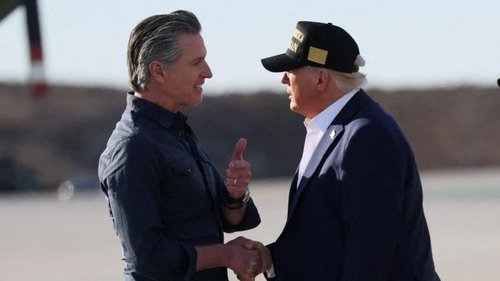
In a move that has stunned Michigan Democrats, incumbent Democrat Dan Stevens announced that he is endorsing Republican state senator Thomas Rogers for the upcoming U.S. Senate seat, according to an Associated Press report released on November 1, 2026. Stevens, the only Democrat in the Senate primary, gave a terse press statement citing a “long conversation” with Governor Chris Smith and a review of the district’s needs as the reason for his endorsement. In the statement he wrote, “After a long conversation with Governor Chris Smith and a review of the district’s needs, I believe Rogers offers the strongest path forward for Michigan.” The AP notes that Rogers thanked Stevens for the backing, saying the support “validates the work we’re doing to keep the Senate responsive to all Michiganders.”
The announcement has set off a swift backlash from the Michigan Democratic Party, which has described the endorsement as a “betrayal” and is reportedly drafting a joint statement to discourage cross‑party endorsements. Party leaders have warned that the move could fracture the Democratic base just weeks before the midterms and jeopardize the party’s chances of retaining the seat. Political analysts from the AP cited concerns that a split in Democratic votes might allow the Republican line to advance in a district that had recently swung toward the GOP in 2024.
Reactions from Key Players
The endorsement also surfaced personal drama, as highlighted by a report on PBS NewsHour. Stevens’s fiancé told the Detroit News that he would vote for Rogers, a revelation that emerged hours after the announcement and added another layer of controversy to the unfolding story.
“In his first comments since Stevens’s endorsement of Republican Mike Rogers, El‑Sayed said he wasn’t interested in speaking about ‘somebody who’s not here’.”
That quote was reported by The Guardian, marking the first public statement from former Senate nominee Abdul El‑Sayed following the endorsement. The Guardian report also indicates that El‑Sayed is distancing himself from the feud, refusing to discuss the new dynamics outside the campaign’s immediate context.
The New York Times added another dimension to the party’s turmoil. In a piece posted just hours after the endorsement, the Times reported that El‑Sayed said Representative Haley Stevens, his former primary rival, “should not attend Sunday’s party unity” event. The Times highlighted El‑Sayed’s concern over intra‑party conflict, suggesting that such differences could undermine the Democratic campaign’s cohesion ahead of the midterms.
Rogers, meanwhile, framed his endorsement as a bipartisan milestone. He has been courting independent voters for two years, and the AP notes that he expressed gratitude, calling the endorsement a validation of his efforts to keep the Senate responsive to all Michiganders. Governor Smith’s earlier praise of Rogers’ bipartisan record also appeared in Stevens’ release, further bolstering Rogers’ image as a cross‑party collaborator.
Legislators and political strategists are already weighing the implications. Some Democrats argue that endorsing a GOP candidate, even with the best intentions, could alienate progressive voters and dilute the party’s message. Others contend that a united front, even if through pragmatic endorsements, might be necessary to counterbalance a strong Republican presence in the state. The AP notes that the Democratic Party is engaging in internal discussions about whether to issue a formal statement of condemnation or to focus on strategy for the upcoming primary.
As Michigan heads toward the midterm election, the situation remains fluid. Democrats are scrambling to maintain party unity, while GOP leaders seize the opportunity to highlight Rogers’ bipartisan appeal. Observers anticipate that the fallout will reverberate beyond Michigan, potentially setting a precedent for how parties handle endorsing cross‑party candidates in highly competitive races.