In brief
Unprecedented flooding, fueled by climate change, combines with oil contamination in South Sudan's Unity State, leaving families battling thirst as they confront health risks from polluted water sources.
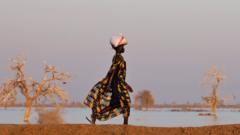
In South Sudan, herders scoop murky water from ponds in contaminated grasslands, acutely aware of the dangers lurking within. "The water is dirty because this place has oil - it has chemicals in it," laments the community chief, Chilhok Puot. Nearby, Nyatabah, a woman raising cattle, recounts, "If you drink it, it makes you pant and cough." Despite understanding the risks, they have no choice; they are "dying of thirst."Flooding in Unity State has worsened in recent years, with climate change linked to unprecedented rainfall washing oil leaks into local water sources. Former oil engineer David Bojo Leju describes these floods as a "disaster," claiming pollution from the oil industry acts as a "silent killer." Though South Sudan is rich in oil, the government remains underdeveloped and heavily dependent on this resource.Unity State is a key oil-producing area, typically facing seasonal floods, but the intensity has surged since 2019 when large-scale rainfall submerged villages, forests, and farmland. By 2022, two-thirds of the state was underwater, and now approximately 40% remains flooded, according to the UN World Food Programme.Leju, who once worked for the Greater Pioneer Operating Company (GPOC), recalls the ongoing oil spills and lack of remediation efforts. "There was no treatment plan for soil," he said, emphasizing the environmental consequences of poorly managed oil production. Despite raising concerns, he observed little action taken to address the issue.The pollution trickles into drinking water and fish ponds. "Some of the oil chemicals seeped down" into groundwater that feeds boreholes, Leju explains. During the 2019 flooding, dykes were insufficient to contain the excess, leading to further infiltration of contaminants. Reports indicate that cattle are suffering from unusual birth defects and illnesses, with the state’s agriculture minister attributing over 100,000 cattle deaths in the past two years to these dual crises.Women in the area risk their health by boiling polluted water, yet remain plagued by diarrhea and other ailments. Many are displaced, living in camps surrounded by floodwaters, reliant on aid and risky forage for sustenance.Medical professionals report alarming cases of congenital abnormalities in newborns, linking the pollution to the mothers' consumption of contaminated water. A doctor from Bentiu, Dr. Samuel Puot, asserts the necessity of better data collection to understand these health impacts. Environmental health expert Dr. Nicole Deziel posits that pollutants could indeed heighten the risk of birth defects.Researchers have previously noted heavy metal pollution in regions near oil production. Although an environmental audit has been promised, results remain unmet, causing ongoing frustration among health professionals and local politicians.Mary Ayen Majok, a senior political figure, has long voiced concerns about oil pollution's impact, witnessing tragedies in her family and community. "Talking about oil is like touching the heart of the government," Leju reflects, having fled the country, fearing for his safety after testifying against the oil industry's environmental practices.The repercussions of flooding are uncertain as climate change continues to influence weather patterns. Dr. Chris Funk identifies a direct connection between sea surface temperatures and the extreme rainfall observed, suggesting that climate-exacerbated conditions could make parts of South Sudan less livable.Despite the challenges, local communities retain hope for recovery, envisioning a future of farming and raising livestock. Amidst the persistent waters, children mold miniature villages of clay, while a woman dreaming of owning a cow again believes that when the floods recede, life can begin anew.For further insights into these issues, listeners can tune into the new series "Life at 50°C," delving into the implications of climate change and water insecurity globally.