
In brief
Lebanon’s Health Ministry announced that 8,956 people have died and 30,664 have been wounded in Israeli attacks since the beginning of hostilities on October 24, 2023. Between March 2 and October 30, 2026, a further 4,389 deaths and 12,428 injuries were recorded. The government’s recent framework agreement with Israel, brokered by the United States, is under scrutiny for its vague legality and lack of a withdrawal timetable.
The Lebanese Health Ministry revealed on Monday that 8,956 individuals have been killed and 30,664 injured in attacks by Israeli forces since October 2023, according to a statement released by the ministry on Friday. The figures were announced in Tehran through the Iranian news agency IRNA, which cited the government’s casualty reports as the source of the data.
Of the total, 4,389 people were killed and 12,428 were wounded between March 2 and October 30, 2026, the period during which the ministry provided a detailed breakdown of casualties. These numbers come alongside the earlier figures that cover the campaign that began in late October, when Israeli military activity intensified across Lebanon’s south.
The casualties reflect the impact of what the Health Ministry calls “Israeli acts of aggression.” The ministry’s report lists the September to December 2023 period as the start of the current wave of violence, and it continues to document killings and injuries as the conflict persists.
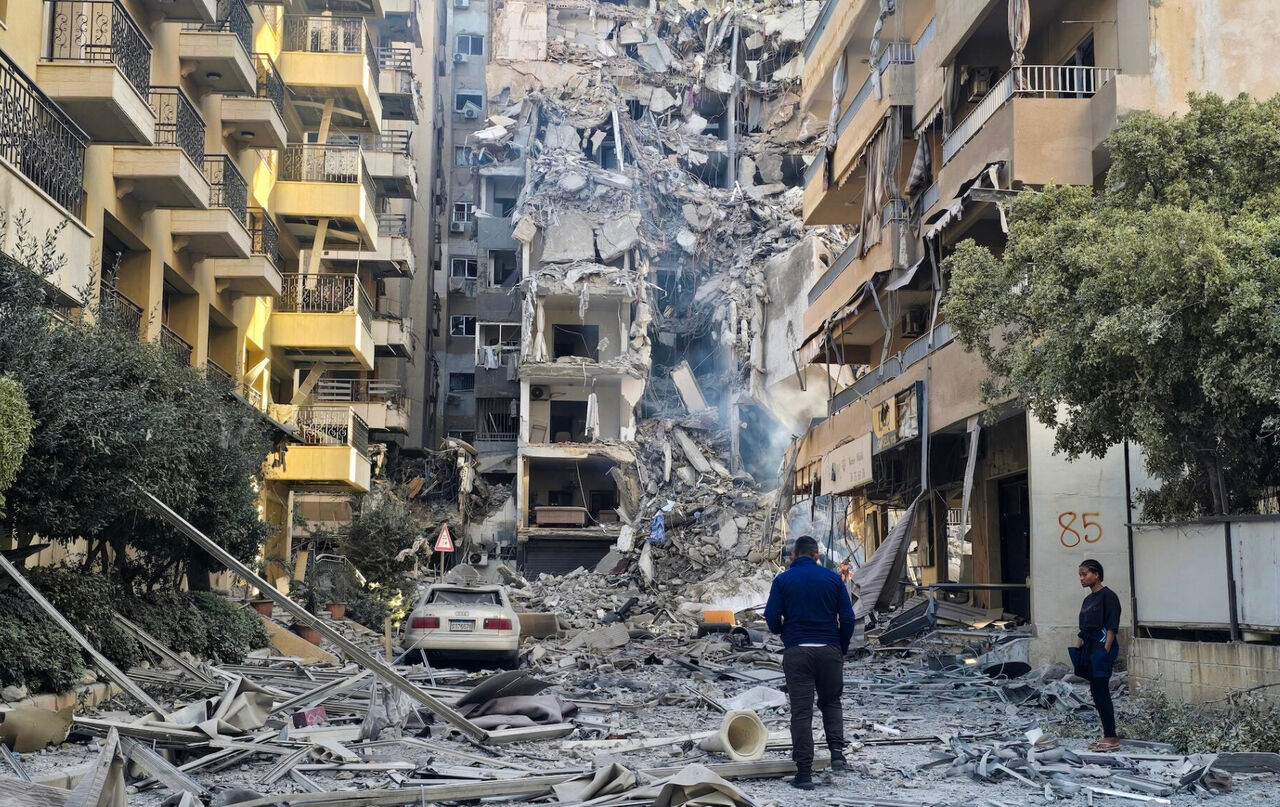
On March 2, 2026, Israeli forces launched a large‑scale offensive, immediately displacing more than one million residents and establishing an occupation in parts of southern Lebanon. The offensive resulted in extensive destruction, with residential buildings heavily damaged and streets turned to rubble, a scene highlighted by IRNA’s accompanying photo coverage. The occupation remains in place, with Israeli troops continuing to hold territory in the south.
During the latter part of 2026, the Lebanese government and Israeli officials signed a framework agreement. The accord, brokered under U.S. mediation in Washington after multiple rounds of direct negotiations, aims to bring an end to the hostilities between Israel and Hezbollah. The details of the agreement were first announced in a statement from the Lebanese government, which highlighted the deal as a step toward de-escalation.
Critics have pointed out uncertainties regarding the legal status of the framework and the absence of a clear timetable for the withdrawal of Israeli forces. The agreement’s opacity, according to analysis in televised reports, raises questions about its enforceability and the practicality of achieving a peaceful resolution. The Lebanese Health Ministry’s figures thus underscore the unresolved nature of the conflict, even as diplomatic efforts proceed.
While the new data confirm that the death toll is rising, they also show that the traditional reporting lag between separate attacks may not fully capture the ongoing daily casualties. The Health Ministry’s aggregate counts include incidents that occurred across the entire southern region, and the figures for the March‑to‑October window represent a snapshot of the most recent phase of the campaign.
International observers have noted that the disparity between the overall totals and the March–October breakdown could point to an escalation in intensity. However, the Health Ministry has not provided a comparative analysis of trends over time, leaving specialists to track the data independently.
The upward trajectory of fatalities and injuries continues amid discussions of a potential ceasefire. The framework agreement, however, does not yet guarantee a cessation of hostilities, nor does it detail a timetable for pulling Israeli troops from occupied zones, according to the Lebanese Health Ministry’s announcement.
As the Lebanese medical community and the international community keep monitoring the situation, the ministry’s latest disclosures serve as a stark reminder of the continuing human cost and highlight the urgent need for clarity in the diplomatic process.
