In brief
After a crushing 1-5 home defeat to PSG, Le Havre fired coach Didier Digard and saw its president resign, as reported by the Saudi Press Agency. The club, bottom of Ligue 1, will be run by staff and youth academy head until a new executive team is installed. Questions remain over the club's future strategy and chances to avoid relegation.
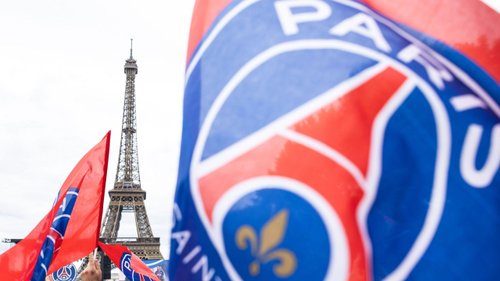
On Saturday, 1 November 2026, Le Havre’s football team lost 1‑5 at home to Paris Saint‑Germain, prompting the club to sack coach Didier Digard and see president Jean‑Michel Rousseau submit his resignation, as reported by the Saudi Press Agency.
The winless club, last in Ligue 1 with just two points from nine matches, had endured seven defeats and two draws, placing it five points behind second‑bottom Strasbourg.
Immediate Restructuring
In a statement released after a board meeting held on the same day, the club said the board of the Blue‑Sport Group had agreed to Rousseau’s resignation from the presidency, while Digard was placed on temporary leave as a precautionary measure.
Jazir Karim, the manager of the club’s youth academy, will assume interim control of the first‑team squad starting Monday, according to the SPA report.
Meanwhile, General Manager Yasen Alawi is set to manage the club’s broader operations on a temporary basis until new executive leadership is appointed.
At the time of the announcement, Le Havre had not registered a single victory across nine Ligue 1 fixtures, relying on a single draw to avoid a points‑free season.
The 1‑5 defeat marked the club’s worst result of the campaign, a setback that has further cemented its precarious position near the bottom of the table.
Looking Ahead
The club’s temporary leadership arrangement allows it to operate while a search for a new head coach and president unfolds, but the SPA article did not disclose any details regarding potential candidates or timelines for appointments.
Le Havre now faces the challenge of stabilizing the squad under caretaker management while the board seeks to rebuild its executive structure amid ongoing relegation threats.
With only four matches remaining in the league, the decision to replace both the coach and the president reflects an urgent attempt to reverse the team's fortunes without guaranteeing an immediate impact on results.
The appointment of Karism as interim manager places extra pressure on the youth program’s infrastructure, as they must now step into head‑team responsibilities and attempt to salvage the season.
The club’s future has been shadowed by debates over whether a full overhaul of the coaching staff could improve performance, or whether maintaining continuity under a caretaker could better preserve team morale.
In the broader context of Ligue 1, Le Havre’s leadership changes are a reminder that clubs in the bottom tier often rely on swift administrative action to face a relegation battle.
While the SPA report stated that the club would be governed by staff in the short term, questions remain about the leadership qualities of the new executive, whether particular high‑profile individuals will be appointed, and the financial implications of a potential bottom‑of‑table finish.
Le Havre’s officials have yet to publicly outline a clear strategic plan for the remainder of the campaign, leaving supporters uncertain about how the club intends to ensure competitive stability amid the remainder of the season.
The club’s supervisory committee is reportedly working closely with the French football authorities to align its interim management structure with league regulations on coaching appointments and executive resignations.
Ultimately, the circumstances surrounding Le Havre’s dismissals underscore the volatility that can arise in football when results fall outside acceptable thresholds, and the balancing act clubs must perform between immediate performance and long‑term governance stability.