In brief
Amidst heightened global tensions and calls for increased military readiness, Canada is set to boost its defense budget significantly, aiming to revive its military capabilities and meet NATO obligations ahead of schedule.
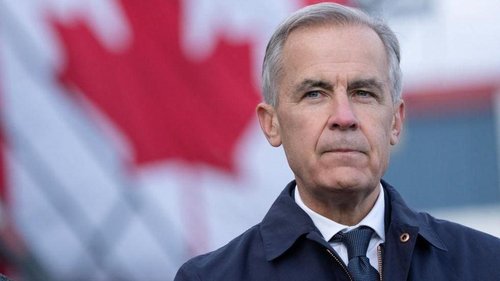
In the aftermath of World War II, Canada emerged with one of the largest naval forces globally, characterized by 95,000 soldiers and 434 ships. Today, however, the Royal Canadian Navy comprises merely 11,500 members and operates around 40 vessels, with only one of four aged diesel submarines functional, a stark contrast to historical capabilities. Furthermore, the Canadian Armed Forces currently lack about 16,000 personnel to reach its sanctioned strength of 101,500.In response to these deficiencies, Prime Minister Mark Carney has initiated a substantial financial infusion into the military, adding 9.3 billion Canadian dollars (approximately 6.8 billion USD) to the defense budget with the goal of fulfilling NATO's spending target seven years ahead of schedule. This strategic shift is partly an effort to address claims made by President Trump, suggesting that Canada relies excessively on its neighbor for defense support.Carney aims to diminish Canada’s defense reliance on the U.S. following Trump's rhetoric, which has even implied a desire to integrate Canada as the 51st state. This military investment coincides with a broader trend, as several European allies, including the UK and Germany, also enhance their military capabilities amid Trump’s isolationist stance.While significant, questions linger regarding the sourcing of the newly allocated funds and whether Canada's military can efficiently utilize them in such a brief timeframe. The challenge remains to translate this financial commitment into tangible improvements in military readiness and effectiveness.