In brief
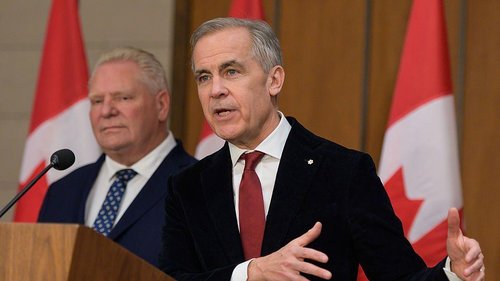
In a surprising turn of events during an election debate, Prime Minister Mark Carney, representing the Liberal Party and seeking a full term, identified China as the biggest threat to Canada’s security. This bold statement aimed to distance himself from his past engagements with Chinese businesses, which have increasingly become a focal point of criticism from his political opponents. Carney's experience, once viewed as an asset due to his dealings with a powerful global player, is now being utilized against him as concerns over foreign influence in Canadian politics mount. While not only Carney’s actions come under scrutiny, particular attention is placed on the Liberal Party’s endorsement of candidates with affiliations to groups identified with China’s Communist Party. This issue resonates with both major parties amid ongoing investigations into foreign interference by nations like China and India, which have stirred controversy within Canada’s diaspora communities. The escalation of tensions between Canada and China has also intensified following a diplomatic incident that began in 2018, when Canada arrested a Chinese executive upon the request of the U.S.
Canada's Election Drama: Mark Carney's China Dilemma In the lead-up to the Canadian national elections, former central banker Mark Carney's ties to China have emerged as a contentious issue for his candidacy. In a surprising turn of events during an election debate, Prime Minister Mark Carney, representing the Liberal Party and seeking a full term, identified China as the biggest threat to Canada’s security. This bold statement aimed to distance himself from his past engagements with Chinese businesses, which have increasingly become a focal point of criticism from his political opponents. Carney's experience, once viewed as an asset due to his dealings with a powerful global player, is now being utilized against him as concerns over foreign influence in Canadian politics mount. While not only Carney’s actions come under scrutiny, particular attention is placed on the Liberal Party’s endorsement of candidates with affiliations to groups identified with China’s Communist Party. This issue resonates with both major parties amid ongoing investigations into foreign interference by nations like China and India, which have stirred controversy within Canada’s diaspora communities. The escalation of tensions between Canada and China has also intensified following a diplomatic incident that began in 2018, when Canada arrested a Chinese executive upon the request of the U.S.