
In brief
The Pacific island nation of Tuvalu has made history by unveiling its first cash machines, a development celebrated by Prime Minister Feleti Teo as both 'momentous' and a passage into a new era of banking for the nation. The launch includes five ATMs and 30 electronic sale terminals installed primarily on Funafuti, the capital, marking the first instance of Tuvalu's 11,000 residents having access to electronic banking services. Prime Minister Teo expressed the importance of this advancement, noting that the country had remained in an "analogue space" until now, with access to banking services restricted to physical visits to the bank, which often led to long queues, especially on payday.
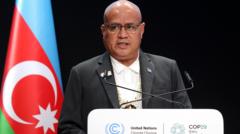
The inaugural ceremony was held at the National Bank of Tuvalu's headquarters in Vaiaku, and attended by key figures, including traditional leaders and members of Parliament. For the first time, local shops will also be able to process electronic payments. Currently, the ATMs will only accept prepaid cards; however, there are intentions to expand to international debit and credit card services down the line. Siose Penitala Teo, the bank's leader, highlighted that this shift towards electronic banking can significantly empower the local economy. Tuvalu, consisting of nine low-lying islands in the South Pacific and having gained independence from the UK in 1978, faces serious threats from climate change, with rising sea levels posing a risk to its future. In a statement at the COP29 Climate Conference, Prime Minister Teo warned of the dire implications of climate change for Tuvalu, emphasizing the urgent need for global action to mitigate rising sea levels.

