In brief
In Haiti, families are caught in a crisis exacerbated by escalating gang violence. Two-year-old Shaina’s condition highlights the severe malnutrition affecting many children as the international mission led by Kenyan forces faces daunting challenges in restoring peace amidst widespread chaos.
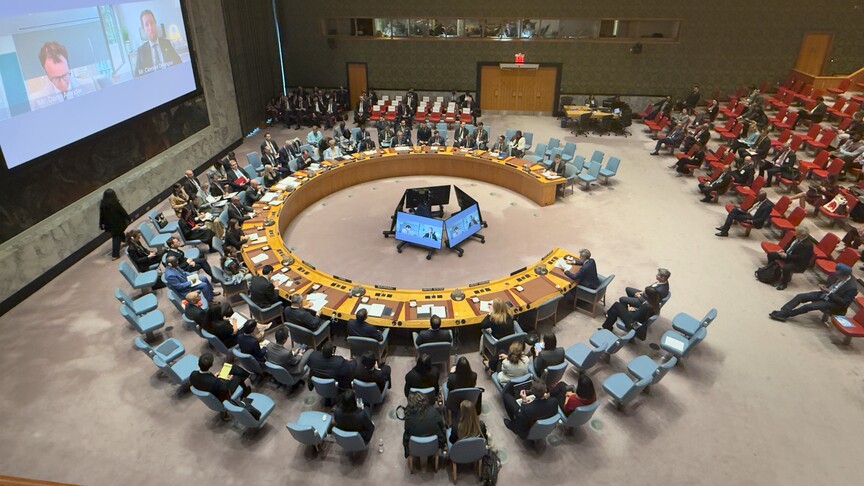
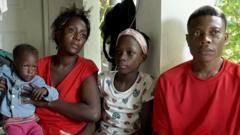
In the heart of Port-au-Prince, Haiti's beleaguered capital, the harrowing realities of gang warfare unfold each day. In one of the scarce operational hospitals, a mother named Venda anxiously watches over her two-year-old daughter, Shaina, who is receiving treatment for acute malnutrition. Shaina is among the staggering 760,000 children teetering on the brink of famine due to the devastation caused by gang violence. Venda's fear kept her confined at home, but the urgency of her daughter's health forced her to seek medical care, hoping it’s not too late.The assassination of former President Jovenel Moïse in 2021 unleashed a wave of chaos, leading to around 85% of Port-au-Prince falling under gang control. The unrest has led to shocking statistics, with the UN reporting nearly 5,000 deaths so far this year alone. A scene inside the hospital exemplifies the turmoil: police clashed with gang members right in the emergency ward, highlighting a chilling atmosphere of fear that permeates every aspect of life in Haiti.Among the victims is Pierre, a man who found himself caught in a gang crossfire while returning home from work. He voices a critical sentiment, suggesting that a stable government and structured youth programs are crucial to preventing young men from joining gangs. In response to the escalating violence, the UN Security Council has deployed a Multinational Security Support Mission (MSS) to restore order, with the Kenyan-led force taking the lead. As the Kenyan officers navigate the streets in heavily armored vehicles, the remnants of the bustling city lie deserted—shops shuttered, cars abandoned, and debris littering the roads. The reality sets in during a patrol when their convoy comes under attack, exchanging fire with unseen assailants. Despite their training and resolve, the Kenyan force finds themselves overwhelmed by the sheer number of gang members—estimated at 12,000—compared to their contingent of 400 officers.As the mission strives to provide assistance, gang violence continues unabated. In one notorious area, fierce battles led to sinewy body burning in the street, a grim testament to the violence that reigns supreme. Despite promises of reinforcements, the Kenyan officers are weary and stretched thin in their efforts, which may soon number 1,000, but still leave many regions impervious to police intervention.The alarming rise of gang violence has not only led to civilian casualties but catastrophic implications for families as various gangs, like Gran Ravine led by Ti Lapli, maintain oppressive control. Recruitment of children into gangs has surged dramatically, with UNICEF reporting a staggering 70% increase in a year. Ti Lapli himself remains unapologetic, blaming the absence of government support for driving youth into violence while conveniently overlooking the chaos fomented by gangs.Many families, like that of Negociant, have been rendered homeless by gang conflicts. She and her five children, crammed onto a school balcony designated as temporary shelter, recount their flight from one gang-occupied neighborhood to another. Such stories illustrate the grinding reality many Haitians face in a nation spiraling out of control, where survival has become a daily struggle amidst the echo of gunfire.