In brief
In a notable moment at the G7 summit, President Trump and Prime Minister Starmer signed a tariff-reducing trade agreement between the US and UK, although the event was overshadowed by a comical mishap. Starmer's gain included assurances on the AUKUS submarine alliance and the lowering of tariffs on British cars, yet several key trade details remain unresolved.
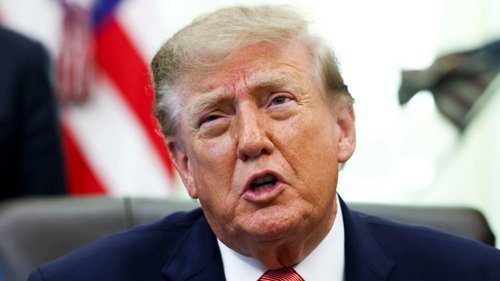
In a memorable and somewhat comical exchange at the Group of 7 summit in Alberta, Canada, President Donald Trump and Prime Minister Keir Starmer of the United Kingdom successfully signed a trade agreement aimed at lowering tariffs between their nations. The moment, however, became a viral sensation for an unfortunate slip, as Trump accidentally let the signed documents fall to the ground, prompting Starmer to lunge forward to gather the papers.This amusing setback underlined a more serious agreement: the tariff reductions signify a pivotal step in US-UK trade relations. While the new deal lowers American tariffs on British automobiles from 25% to 10%, it stops short of eliminating tariffs on British steel exports completely, a critical issue for many UK sectors. In addition, digital services were excluded from the agreement, limiting its overall scope.Despite the minor mishap, Starmer's fortunes seemed to shine brighter than those of other G7 leaders at the summit. He also received assurances from Trump that the vital AUKUS submarine partnership with Australia and the UK would remain intact, allaying concerns that arose following recent Pentagon evaluations.In a summit marked by Trump’s informal and sometimes erratic camaraderie, Starmer was positioned as the president's ally. Trump’s announcement to the press, stating that a "trade agreement with the European Union" had been signed, led to confusion, as both leaders had focused specifically on the UK deal. Starmer remained composed during this mistimed declaration, emphasizing the importance of the signed document.While Starmer emerged with some victories at the G7, including concessions on auto tariffs, he faced challenges in securing a complete trade overhaul, and some industry leaders continue to voice anxiety over existing tariffs affecting their operations. Ultimately, the day brought a blend of expectations, mixed results, and a light-hearted moment likely to be remembered in the political arena.