
In brief
UN officials share harrowing testimonies from those affected by the Darfur massacres, as they confront a humanitarian disaster marked by ethnic violence and famine, raising urgent calls for global attention and aid.
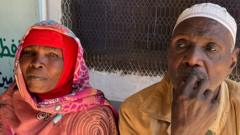
In el-Geneina, West Darfur, silence lingers where once lively homes stood. The barren outskirts are haunted by remnants of a brutal past, with charred buildings and battered structures narrating tales of horror. During a landmark visit by the UN's Under-Secretary-General for Humanitarian Affairs, Tom Fletcher, the extent of destruction caused by the protracted conflict in Sudan took center stage.Fletcher labeled Darfur as facing an unparalleled humanitarian catastrophe. He noted that protection crises, including rampant sexual violence and looming famine, plague the region, where untold suffering is now commonplace. Only after arduous negotiations with rival factions did his visit to West Darfur materialize—the Sudanese Armed Forces (SAF) and the paramilitary Rapid Support Forces (RSF) now vie for control, amidst widespread accusations of ethnic cleansing and potential genocide.The quiet streets of el-Geneina tell a chilling story of the atrocities that transpired last year, with human rights organizations estimating that 15,000 lives were lost during prolonged violence targeting the Masalit community. Refugees have fled to neighboring Chad, sharing their haunting accounts of loss and survival. Many bear witness to the deaths of their family members and the insufferable hunger faced amidst ongoing hostilities.After traversing from Chad’s Adre town, the UN delegation approached the health center in the al-Riyadh displacement camp, where Sudanese women and elders alike expressed their desperation for support. Children have been left orphaned, families separated, and communities devastated. A community elder emphasized the human cost of the conflict, urging for aid without political affiliation.Fletcher, whose visit acknowledges the volume of need in Darfur, expressed determination to counteract global indifference towards this crisis. Insisting that urgent attention is needed to alleviate suffering, he engaged with both humanitarian organizations and military leaders to secure aid distribution channels within Sudan.As the complexity of international intervention unfolds, hope lingers that new dialogues will pave the way for relief efforts in what many, including NGOs, deem a catastrophe in dire need of greater awareness and responsive aid. The UN’s commitment to increasing its operational presence in the region offers a glimmer of hope in the face of despair that has gripped Darfur for decades.


