
In brief
As flu-like HMPV cases climb in Beijing, especially among young children, health experts emphasize that while vigilance is necessary, the risk of a severe pandemic akin to COVID-19 is low, given the virus's long-standing presence.
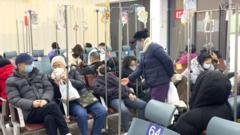
In recent weeks, reports from Beijing have indicated a significant increase in cases of human metapneumovirus (HMPV), particularly among children. The surge has prompted concerns reminiscent of early pandemic days, as hospitals have been flooded with patients, many depicted in images shared widely on social media. However, experts have pointed out that this uptick is likely due to a seasonal pattern rather than an alarming new outbreak.HMPV, discovered in the Netherlands in 2001, typically leads to mild respiratory infections, similar to the flu. Most individuals, especially children, become infected by this virus at least once by age five. Transmission occurs through direct contact or touching surfaces contaminated with the virus. Common symptoms include cough, fever, and nasal congestion. Vulnerable groups, particularly very young children and immunocompromised individuals, can experience more severe symptoms.The current rise in HMPV cases in Northern China aligns with the winter season, when respiratory viruses are particularly prevalent. This seasonal spike is echoed in other parts of the northern hemisphere, with the US and UK also reporting increases since October. Epidemiologist Jacqueline Stephens notes that while the current surge is concerning, it reflects typical winter trends rather than an extraordinary health crisis.Experts stress that HMPV differs significantly from COVID-19. Unlike the latter, HMPV is not a novel pathogen, which allows for a degree of immunity due to past infections. Dr. Hsu Li Yang, an infectious disease expert, reassures the public that global immunity exists among populations, reducing the likelihood of widespread severe illness and death.Despite the relatively low risk, healthcare professionals recommend standard precautions like mask-wearing in crowded places, maintaining good hand hygiene, and vaccination against the flu to mitigate overall respiratory infection risks. As the situation unfolds, maintaining awareness and adhering to health guidelines will be essential for vulnerable individuals during this seasonal wave.
