In brief
The escalating conflict between Israel and Hezbollah has put renowned archaeological sites, such as the Roman temples at Baalbek, in jeopardy due to nearby Israeli airstrikes. Experts warn of potential irreversible damage to Lebanon’s rich cultural heritage as attacks intensify.
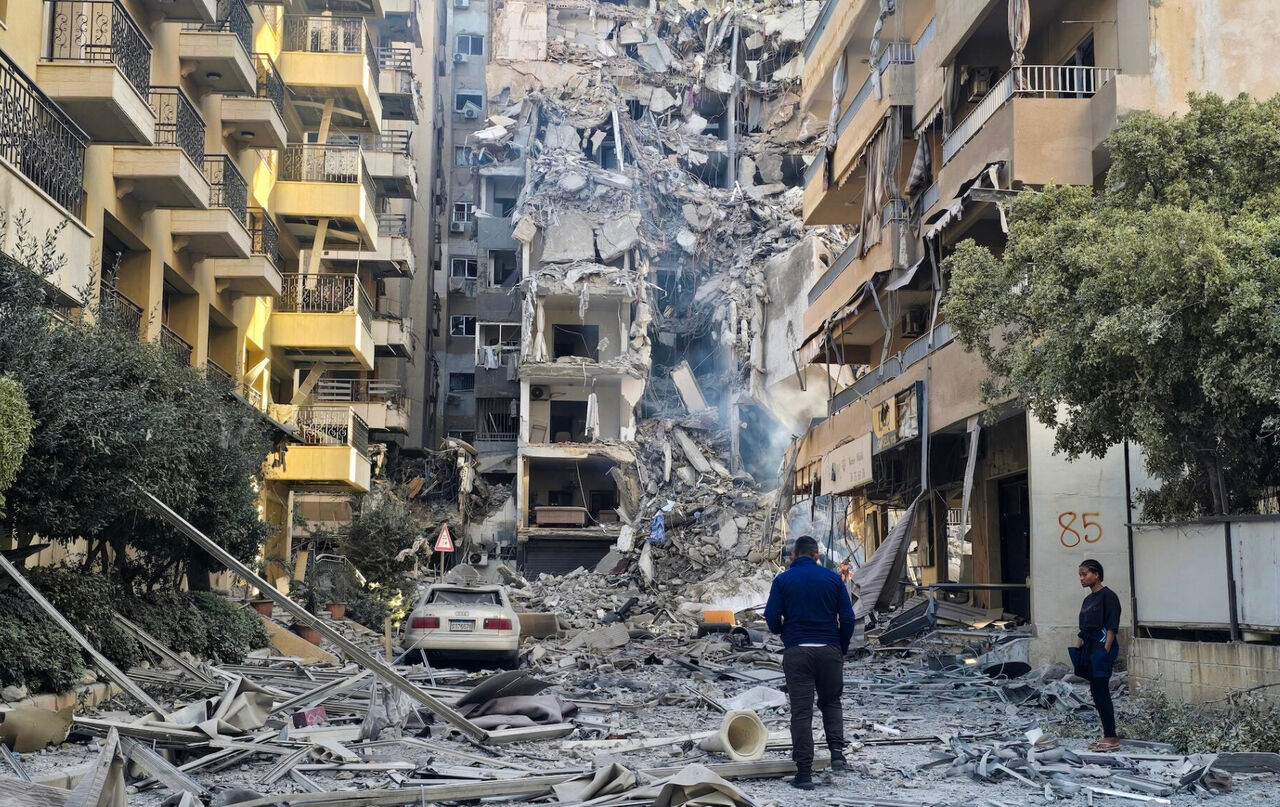
In light of ongoing military tensions, archaeologists are voicing their concerns over the preservation of ancient ruins in Lebanon at risk from Israeli airstrikes. The Roman temples in Baalbek, recognized by UNESCO as exceptional examples of ancient architecture, now face the threat of destruction following a recent attack on a nearby car park. This airstrike not only damaged the vicinity but also destroyed a centuries-old Ottoman structure, igniting fears of irreversible damage to critical historical sites.Graham Philip, an archaeology professor at Durham University, emphasized the significance of Baalbek, stating that its loss would be a "crime," as it is irreplaceable. Since late September, a significant escalation in Israeli air strikes has targeted various locations throughout Lebanon, primarily focusing on regions tied to Hezbollah, the Iran-backed militant group.While the Israel Defense Forces (IDF) claim to target military installations, their actions have encroached on areas close to important archaeological sites, including the historic ruins of Tyre, a former major port of the Phoenician Empire. Explosions and large clouds of smoke have been reported in proximity to these ancient structures, raising concerns among scholars about the potential collateral damage.Lebanese archaeologists, such as Joanne Farchakh Bajjaly, share their apprehension, noting that the temples in Baalbek fall within the targeted zones without exemption for their cultural significance. Despite the absence of Hezbollah facilities near these sites, the fighting remains dangerously close. In reaction to the violence, local authorities have urged civilians to avoid travelling to the ruins, as some have sought refuge there, believing that their historical value would shield them from attacks.Erez Ben-Yosef, an Israeli archaeologist, acknowledges the difficult position the war presents, recognizing the cultural heritage loss it could incur not only for Lebanon but globally. He asserts that the IDF employs strict protocols to minimize damage to sensitive sites, though the potential for errant strikes remains.Experts like Graham Philip, who has witnessed the impacts of conflict on heritage sites in Gaza, express concern that as the war continues, the extent of damage remains uncertain. Recent findings have highlighted that many cultural heritage sites in Gaza have already suffered due to military actions.In discussions surrounding these ancient sites, Philip draws poignant parallels, stating that their preservation is crucial as they form part of the identity of the people. The threat to these historic landmarks is viewed not just as an architectural loss, but as a blow to the cultural soul of Lebanon and its historical legacy.