In Culiacán, Mexico, the once-certain reign of the Sinaloa Cartel has begun to waver as authorities launch an unprecedented crackdown on drug production and distribution. Members of the cartel report feelings of paranoia and urgency, with many fearing arrest or death due to the recent surge in law enforcement operations.
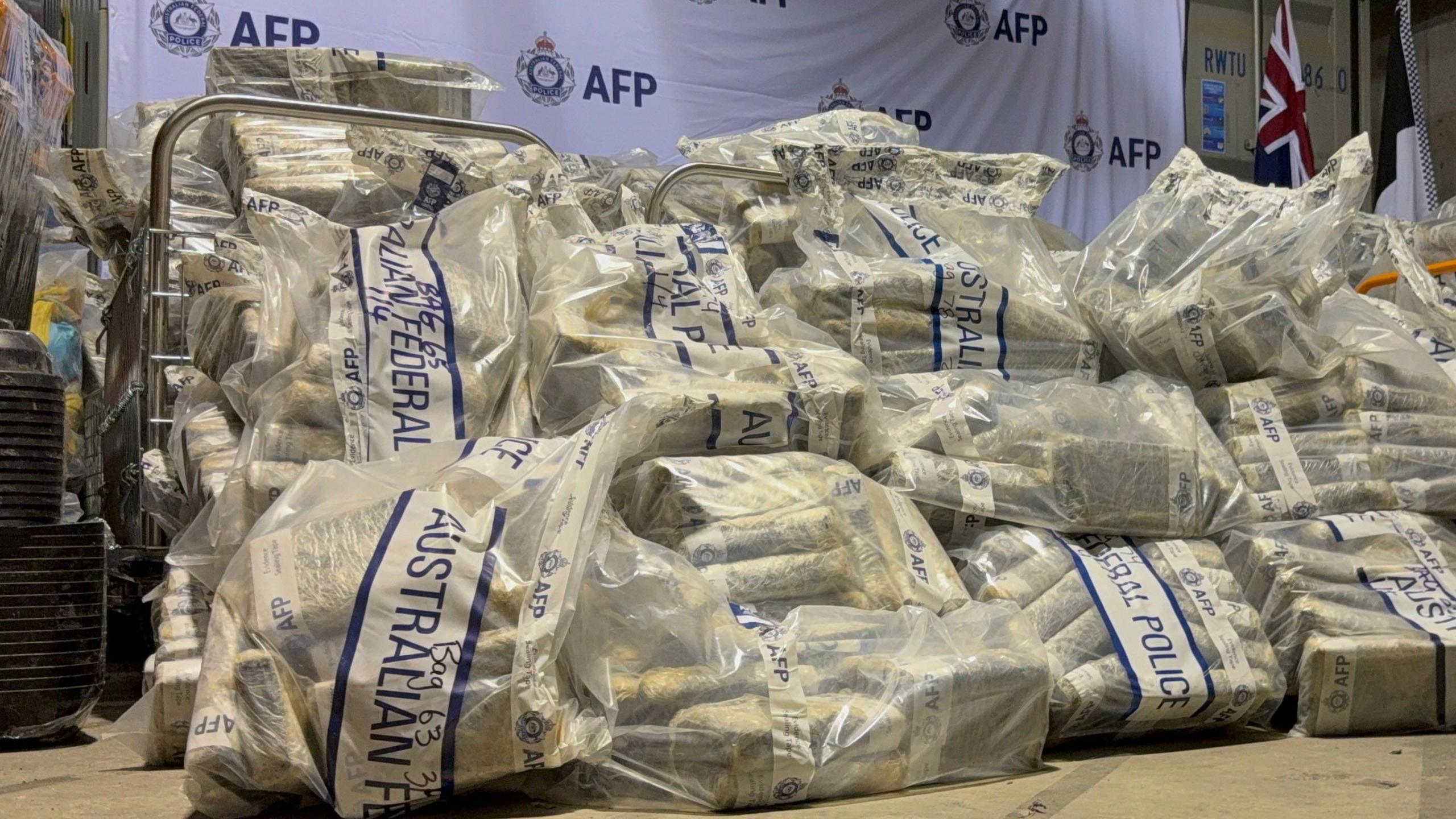
According to reports from cartel insiders, leadership is shifting tactics in response to an increase in arrests and drug seizures. One influential figure within the cartel mentioned a growing worry about potential American military intervention, urging strategists to contemplate ways to protect their families amidst the chaos. Others have stated that some drug labs have been paused or relocated entirely, a drastic shift for an organization that typically operated with relative impunity in the region.
A senior cartel member conveyed the terrifying atmosphere, stating, "You can’t be calm, you can’t even sleep, because you don’t know when they’ll catch you." The fear is palpable among the cartel operatives, prompting them to reconsider their everyday activities and conceal themselves more effectively to avoid capture.
This escalation of pressure comes very much as a response to the Trump administration's threats of strict sanctions if Mexico failed to curb the surge of fentanyl into the United States. High tariffs and assertions of military response have led the Mexican government to bolster its efforts to crack down on cartels. Local authorities aim to reclaim control over regions heavily impacted by organized crime, signaling a potential turning point in the long-fought battle against drug cartels that have heavily influenced both Mexico and the U.S. for years.
The tide appears to be shifting in Culiacán and potentially across other areas in Sinaloa state, as the government’s commitment to eradicating drug production substances weighs heavily on the Sinaloa Cartel, compelling its members to adapt under duress or face severe repercussions.
According to reports from cartel insiders, leadership is shifting tactics in response to an increase in arrests and drug seizures. One influential figure within the cartel mentioned a growing worry about potential American military intervention, urging strategists to contemplate ways to protect their families amidst the chaos. Others have stated that some drug labs have been paused or relocated entirely, a drastic shift for an organization that typically operated with relative impunity in the region.
A senior cartel member conveyed the terrifying atmosphere, stating, "You can’t be calm, you can’t even sleep, because you don’t know when they’ll catch you." The fear is palpable among the cartel operatives, prompting them to reconsider their everyday activities and conceal themselves more effectively to avoid capture.
This escalation of pressure comes very much as a response to the Trump administration's threats of strict sanctions if Mexico failed to curb the surge of fentanyl into the United States. High tariffs and assertions of military response have led the Mexican government to bolster its efforts to crack down on cartels. Local authorities aim to reclaim control over regions heavily impacted by organized crime, signaling a potential turning point in the long-fought battle against drug cartels that have heavily influenced both Mexico and the U.S. for years.
The tide appears to be shifting in Culiacán and potentially across other areas in Sinaloa state, as the government’s commitment to eradicating drug production substances weighs heavily on the Sinaloa Cartel, compelling its members to adapt under duress or face severe repercussions.