
In brief
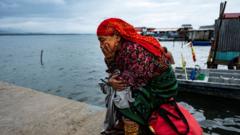
As COP29 extends into the weekend, contention arises between wealthy and developing nations over insufficient climate financing, leaving global emissions targets uncertain.
Despite significant discussions, COP29 in Baku is heading into the weekend without a resolution, primarily due to stark disagreements over financing aimed at aiding vulnerable countries in the face of climate change. Wealthy nations have put forth a plan to enhance their annual contributions to developing countries by more than double, proposing a figure of $250 billion a year. However, this offer has been met with fierce backlash from impoverished nations, notably small island states, which deem the sum inadequate and insulting, expressing their disappointment in statements that emphasize a disregard for their precarious situations. The crux of the meeting revolves around not only climate finance but also the pressing need to cut global carbon emissions. Delegates initially set aside the contentious financial discussions for the entirety of the two-week summit, but as the conference's end approaches, these issues are surfacing. Historically, the financing topic has been a persistent hurdle in global climate dialogue, with previous commitments struggling to materialize effectively, often delivered as loans rather than grants. During COP29, negotiators pushed for increased financial support sources, acknowledging the dire request from developing nations for $1.3 trillion by 2035 to alleviate the growing costs of environmental impacts and to enhance their carbon reduction initiatives. However, wealthier nations were reluctant to commit to specific figures until the closing hours of the summit. The Azerbaijani presidency presented a final document suggesting the aforementioned $1.3 trillion goal by 2035, with $250 billion coming directly from developed countries, alongside contributions from public and private sectors. Major emerging economies like China were invited to contribute without obligation, raising concerns over the reliability of funds. Richer nations, grappling with their own economic challenges, face a significant task in raising these funds, particularly as citizens deal with rising living costs. A US representative acknowledged the hurdles, noting that achieving the $250 billion target would require unprecedented ambition. However, the response from developing countries was swift and critical. The Marshall Islands' climate envoy, Tina Stege, condemned the proposals as shameful, demanding tangible actions rather than mere sympathetic gestures. The Alliance of Small Island States (AOSIS) mirrored these sentiments, firmly rejecting any text that they believe disrespects their struggle against climate adversities. Alongside financial proposals, ambitions to strengthen commitments against fossil fuel reliance appear faltering, with many developed nations desiring a more robust stance in the negotiations. With time running out, negotiators are expected to continue discussions through the night in pursuit of a viable agreement that adequately addresses the needs of those most impacted by climate change.
