The presidential pardon, which Biden describes as necessary due to the perceived political motivations behind the prosecution, exemplifies a long-standing tradition wherein US presidents grant clemency to close associates or family members. The US Constitution provides presidents with the authority to issue pardons for offenses against the nation, barring cases of impeachment. Biden's "full and unconditional pardon" applies to any potential federal crimes Hunter might have committed from 2014 until the end of 2024. This act not only offers legal forgiveness but also restores Hunter Biden's rights, such as voting and running for office.
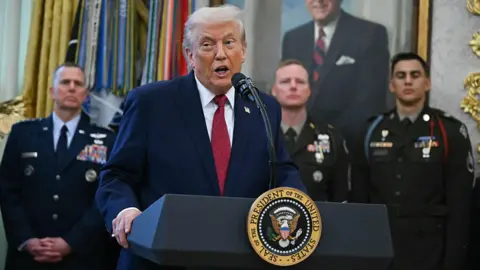
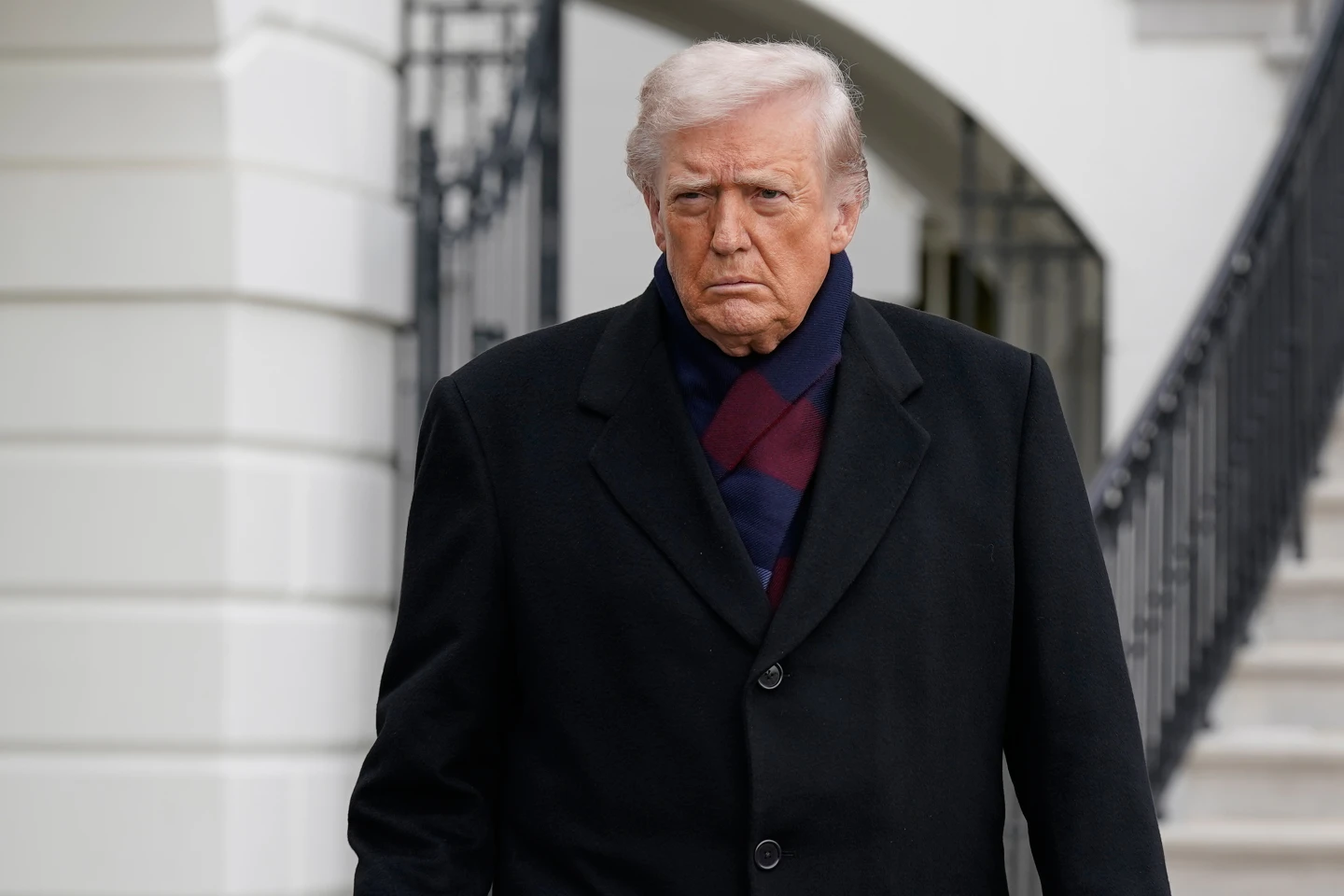
Biden has now granted 26 pardons during his presidency, a notable action when compared to previous administrations. For context, former President Trump issued 237 acts of clemency during his term, while Barack Obama granted a vast 1,927 clemency actions. Trump's response to Biden's pardon was critical, labeling it an "abuse and miscarriage of justice" and questioning if Biden would extend similar pardons to January 6th Capitol riot participants.
As the debate around the pardon continues, it highlights the complexities of presidential power, the intertwining of politics and justice, and the varying approaches to clemency across different administrations.
Biden has now granted 26 pardons during his presidency, a notable action when compared to previous administrations. For context, former President Trump issued 237 acts of clemency during his term, while Barack Obama granted a vast 1,927 clemency actions. Trump's response to Biden's pardon was critical, labeling it an "abuse and miscarriage of justice" and questioning if Biden would extend similar pardons to January 6th Capitol riot participants.
As the debate around the pardon continues, it highlights the complexities of presidential power, the intertwining of politics and justice, and the varying approaches to clemency across different administrations.