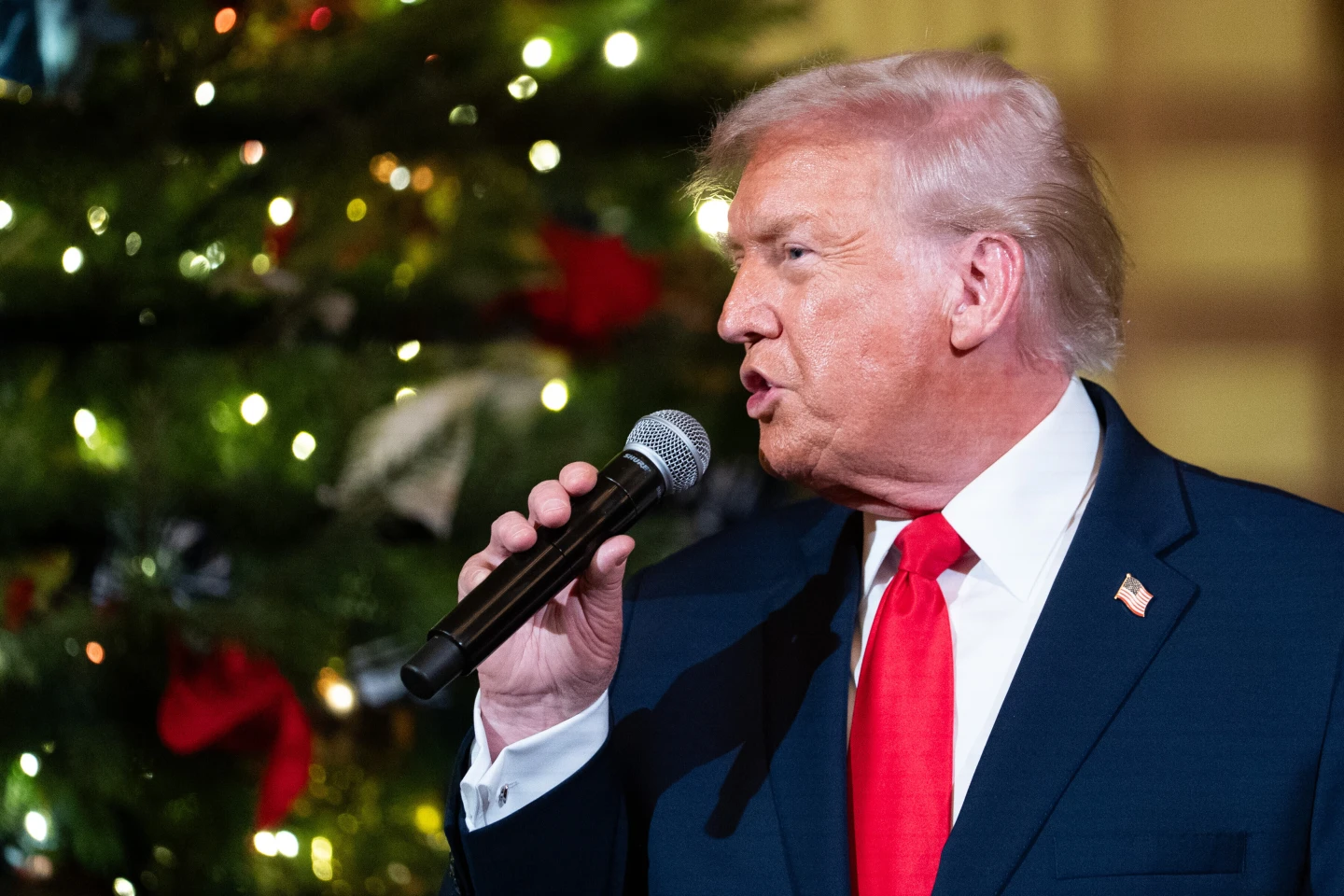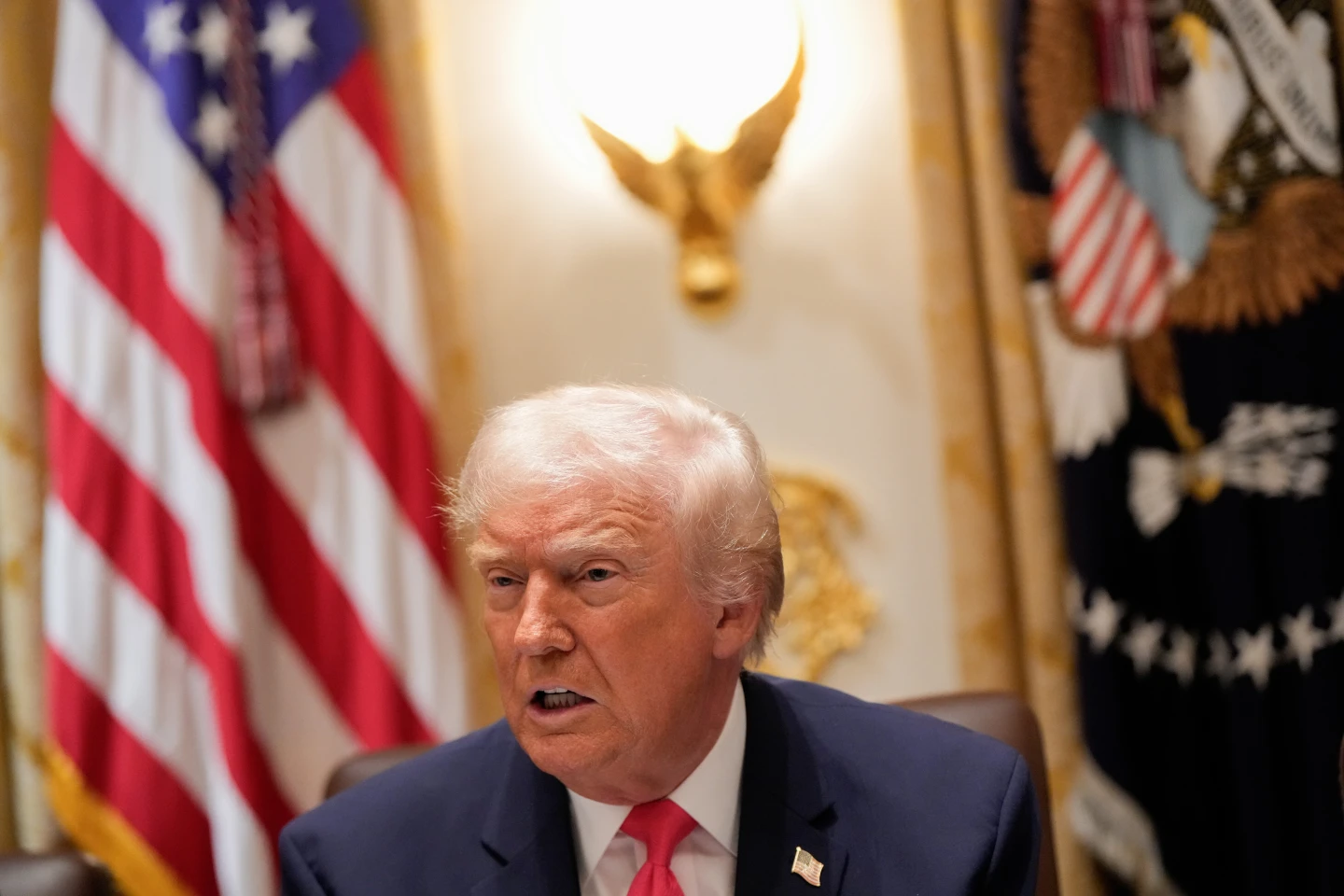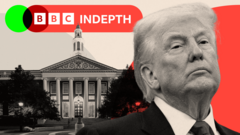
Throughout the past week, former President Donald Trump has escalated his campaign against Harvard University, a move that may have repercussions extending far beyond his administration. On Monday, Trump threatened to divert $3 billion in vital research funding aimed at Harvard to vocational schools, a decision that was soon followed by a directive from the White House mandating a review of about $100 million in federal contracts awarded to Harvard, seeking alternative vendors when possible.
Trump has openly criticized Harvard, claiming in a press conference that the institution has shown "great disrespect" towards the country, indicating a growing tension between the administration and this prestigious university. Alongside these challenges, Trump’s administration has begun to freeze over $3 billion in research grants and halt foreign student admissions to Harvard, representing a wider attack on elite higher education in America.
The environment at Harvard has become tense, with students expressing palpable anxiety regarding the potential long-term implications of these federal actions. Many students now see the situation as a precursor of what could happen to other American universities, indicating a shift in the cultural landscape of higher education as a battleground for broader political and social issues.
The administration has cited various justifications for its actions, prominently highlighting a perceived inadequacy in Harvard's response to campus antisemitism amidst recent anti-Israel protests. This was fueled by controversial moments in which university leaders struggled to answer questions about potential antisemitic conduct during congressional hearings. Critically, Trump's response has positioned Harvard's adherence to academic freedom and diversity as fundamentally at odds with his administration's vision.
In response to these mounting pressures, Harvard has moved to defend its autonomy, engaging with legal channels to counteract Trump's threats, including an indefinite suspension of the policy limiting foreign students' eligibility for visas. Harvard's leadership has framed its battle, stating that allowing the government to interfere with its academic integrity could jeopardize critical breakthroughs in research and education.
This broader struggle hints at a calculated effort by the Trump administration to reshape the fabric of American higher education, aligning it more closely with conservative ideals and diminishing the power traditionally held by Democratic-supporting institutions. Critiques from conservative commentators suggest that higher education has devolved into a platform for liberal indoctrination, with national support solidifying around Trump's educational policies.
As the rift between the government and universities continues to deepen, the response from institutions across the nation will likely determine the trajectory of higher education in the United States. While Harvard appears resolute in its approach, the outcome of this conflict may reverberate through academic communities for decades, reshaping public perception and institutional governance of universities across the nation. The barriers protecting academic freedom have begun to erode, signaling that American higher education may never return to its previously insulated state.